
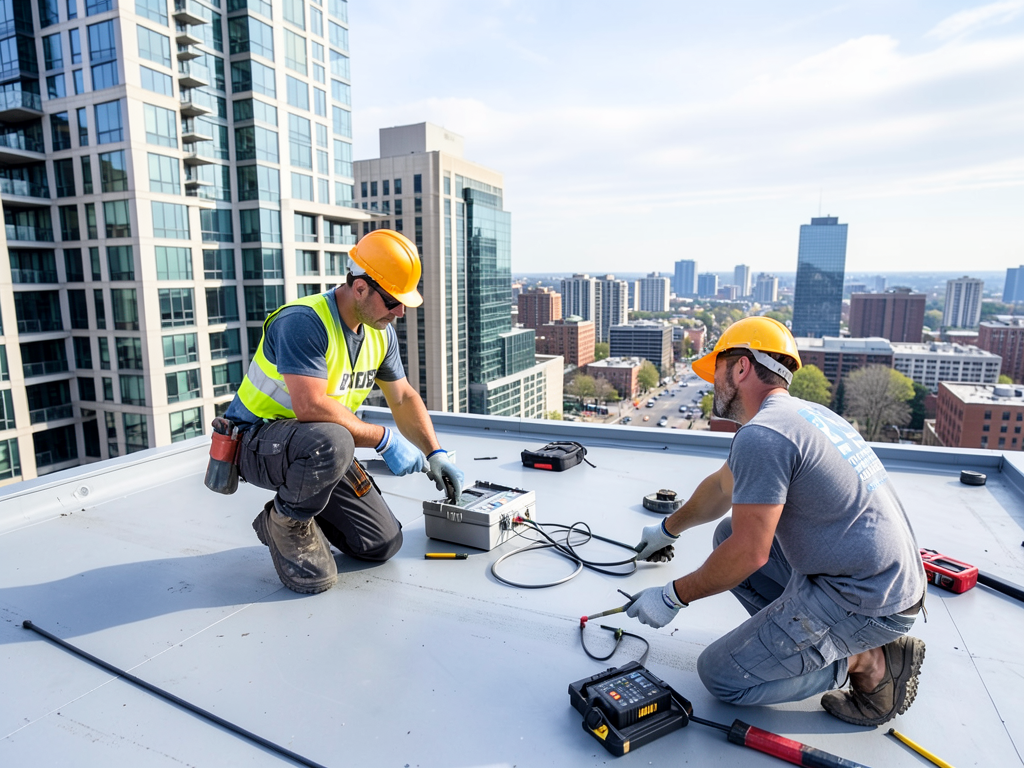
How South Loop Condo Associations Can Avoid Massive Special Assessments for Roof Repairs
South Loop condo associations face unique challenges when it comes to roof maintenance. The area’s mix of historic lofts, modern high-rises, and dense urban environment creates specific vulnerabilities that can lead to costly special assessments if not addressed proactively. Understanding these risks and implementing preventive strategies can save your association thousands of dollars and countless headaches.. Read more about Solving Unique Drainage Challenges for Historic Loft Buildings in Printers Row.
The South Loop’s proximity to Lake Michigan exposes buildings to severe weather conditions including high winds, heavy snowfall, and freeze-thaw cycles that stress roofing systems. Many South Loop buildings feature flat or low-slope roofs common in commercial and multi-unit residential construction, which require specialized maintenance approaches different from traditional pitched roofs. Is Solar Roofing Worth the Investment for Homes in Evanston?.
Early detection of roof problems can prevent minor issues from escalating into major repairs requiring special assessments. Look for signs like water stains on ceilings, bubbling or blistering on roof surfaces, and visible wear around roof penetrations such as vents and HVAC units. These indicators often appear months before significant damage occurs.
According to the Chicago Department of Buildings, commercial and multi-unit residential buildings must comply with specific roofing standards outlined in Chapter 13-96 of the Municipal Code. These regulations cover everything from material specifications to installation requirements, and non-compliance can result in fines that further strain association budgets. Chicago Department of Buildings roofing requirements.
Regular professional inspections are your first line of defense against unexpected roof failures. A qualified roofing contractor can identify potential problems before they become emergencies, allowing for planned maintenance rather than crisis repairs that often require special assessments. Extending the Life of Your Flat Roof in Hyde Park with Professional Coating.
Understanding South Loop Roofing Vulnerabilities
The South Loop’s urban density creates specific roofing challenges that differ from suburban areas. Buildings here often share walls and have limited roof access, making repairs more complex and expensive. The area’s historic districts, including Printers Row, have additional preservation requirements that can impact roofing choices and costs. Roofing Berwyn.
Many South Loop buildings were constructed between the 1960s and 1980s when roofing technology was less advanced than today. These older systems may use materials that have reached or exceeded their expected lifespan, making them particularly vulnerable to failure. Roofing Forest Park.
Lake Michigan’s proximity means South Loop buildings experience higher humidity levels and more severe wind conditions than areas further inland. This creates accelerated wear on roofing materials and increases the likelihood of wind damage during storms.
The freeze-thaw cycle common in Chicago can cause significant damage to flat roofs. Water that enters small cracks or seams expands when it freezes, gradually widening these openings and leading to leaks and structural damage over time.. Read more about Fixing Common Terrace Leaks in Streeterville Penthouses Before Water Hits Your Living Room.
South Loop buildings often have extensive rooftop equipment including HVAC units, communication equipment, and green roof components. Each penetration represents a potential leak point that requires proper flashing and regular maintenance.
Common South Loop Roof Types and Their Maintenance Needs
Most South Loop condos feature one of several common commercial roofing systems, each with specific maintenance requirements. Understanding your building’s roof type is essential for proper care and budgeting.
TPO (Thermoplastic Polyolefin) roofing is popular in newer South Loop developments due to its energy efficiency and durability. These white or light-colored membranes reflect heat and can reduce cooling costs, but they require specific cleaning methods to maintain their reflective properties.
EPDM (Ethylene Propylene Diene Monomer) rubber roofing is common in older South Loop buildings. While durable and cost-effective, EPDM can become brittle over time, especially at seams and around penetrations where leaks often develop.
Modified bitumen roofing, often found in historic lofts converted to condos, consists of asphalt-based sheets applied in multiple layers. These roofs require regular inspection of seams and flashings, as they can separate over time due to temperature fluctuations.
Green roofs, increasingly popular in South Loop’s sustainable building movement, require specialized maintenance including irrigation system checks, plant health monitoring, and structural load assessments to ensure the building can support the weight.
Metal roofing systems, though less common in South Loop condos, offer exceptional longevity when properly maintained. They require inspection for corrosion, loose fasteners, and sealant deterioration around seams and penetrations.
Chicago Building Code Requirements for Condo Roofs
Chicago’s building code includes specific requirements for commercial and multi-unit residential roofing that South Loop condo associations must follow. Chapter 13-96 mandates minimum standards for materials, installation, and ongoing maintenance.
The code requires all low-slope roofs to have positive drainage to prevent ponding water, which can accelerate roof deterioration. Any area where water ponds deeper than 48 hours must be corrected to prevent structural damage and material degradation.
Energy efficiency requirements under Chicago’s Energy Conservation Code affect roofing choices. Many South Loop buildings must use cool roofing materials or install insulation meeting specific R-value requirements to comply with current standards.
Fire safety regulations require specific fire-rated materials for buildings over certain heights or in specific zoning districts. South Loop’s mix of high-rise and mid-rise buildings means many associations must use Class A fire-rated roofing materials.
Permit requirements for roof repairs in Chicago can be complex. Work exceeding 25% of the roof area typically requires a permit, and historic districts have additional approval processes that can extend project timelines significantly.
Accessibility requirements under the Americans with Disabilities Act may affect roof access points and safety features. Condo associations must ensure roof areas used for equipment maintenance or emergency access meet these standards. What to Do When You Have a Roof Leak Emergency in Logan Square.
Preventative Maintenance Strategies That Save Money
Implementing a comprehensive preventative maintenance program is the most effective way to avoid special assessments. Regular inspections can identify problems when they’re still minor and inexpensive to fix.
Seasonal inspections should be scheduled in spring and fall to assess winter damage and prepare for harsh weather. These inspections should include checking all seams, flashings, and penetrations for signs of wear or separation.
Drainage system maintenance is critical for flat roofs. Gutters, downspouts, and internal drains must be kept clear of debris to prevent water backup that can cause leaks and structural damage.
Roof cleaning removes debris that can trap moisture and accelerate material degradation. This includes removing leaves, branches, and other organic matter that can decompose and create acidic conditions harmful to roofing materials.
Sealant inspection and replacement around vents, HVAC units, and other penetrations prevents water intrusion. These areas are often the first to fail and can cause significant damage if not maintained properly.
Membrane repairs for TPO, EPDM, and modified bitumen roofs should be addressed immediately when identified. Small punctures or tears can quickly expand, leading to costly interior damage and emergency repairs.
Cost-Effective Roof Repair vs. Replacement Decisions
Understanding when to repair versus replace a roof can significantly impact your association’s budget. Many South Loop buildings undergo unnecessary full replacements when targeted repairs would extend the roof’s life by several years.
Roof age is a primary factor in this decision. Most commercial roofing systems have a 20-30 year lifespan, though this varies by material type and maintenance history. Buildings approaching this age should undergo comprehensive assessments to determine the most cost-effective approach.
The extent of damage also influences repair versus replacement decisions. Localized damage affecting less than 30% of the roof area often justifies repairs, while widespread deterioration typically indicates the need for replacement.
Energy efficiency considerations may make replacement more attractive for older buildings. Modern roofing materials offer significantly better insulation and reflective properties that can reduce heating and cooling costs over time.
Historic preservation requirements in areas like Printers Row may limit replacement options or require specific materials that match the original construction, potentially affecting cost-benefit analyses.
Building use changes can justify roof replacement even when the existing roof is still functional. Adding rooftop amenities, solar panels, or green roof components often requires structural upgrades that make replacement more practical.
Navigating Special Assessments and Budget Planning
Even with excellent maintenance, roof repairs or replacements eventually become necessary. Planning for these expenses can prevent the need for special assessments that strain owner relationships and association finances.
Reserve studies conducted by qualified professionals can project future roof replacement costs based on current condition, expected lifespan, and local market conditions. These studies provide the foundation for responsible budgeting.
Setting aside funds monthly in a dedicated roof replacement account spreads costs over time rather than requiring large lump-sum payments. This approach is much more manageable for most condo associations.
Phased replacement strategies can reduce the immediate financial impact for large buildings. Replacing sections of the roof over several years allows associations to manage cash flow more effectively.
Insurance coverage for roof damage varies significantly. Understanding your policy’s limitations and exclusions can help associations make informed decisions about maintenance and replacement timing.
Warranty considerations affect replacement timing decisions. Many roofing systems include manufacturer warranties that may cover materials or labor for specific periods, potentially reducing out-of-pocket costs.
Choosing the Right Roofing Contractor in South Loop
Selecting a qualified roofing contractor is crucial for quality work that prevents future problems. South Loop’s unique building characteristics require contractors with specific experience in urban commercial roofing.
Illinois licensing requirements ensure contractors meet minimum competency standards. Verify that any contractor you consider holds a valid license from the Illinois Department of Financial and Professional Regulation.
Insurance coverage is non-negotiable for commercial roofing work. Contractors should carry both general liability and workers’ compensation insurance to protect your association from liability claims.
Experience with South Loop buildings is valuable because contractors familiar with the area understand local challenges like limited roof access, parking restrictions, and historic district requirements.
Manufacturer certifications indicate advanced training on specific roofing systems. Contractors certified by major manufacturers like GAF, Firestone, or Carlisle often provide better warranty coverage and installation quality.
References from similar South Loop properties provide insight into a contractor’s ability to handle your building’s specific requirements. Ask for examples of work on comparable buildings in the area.
Emergency Response Planning for Roof Failures
Even well-maintained roofs can fail during severe weather events. Having an emergency response plan can minimize damage and speed recovery when problems occur.
Emergency contact information should be readily available to all residents and building staff. This includes the roofing contractor, building management, and key maintenance personnel.
Temporary protection measures like tarps and roof cement can prevent further damage until permanent repairs can be made. Building staff should know where these materials are stored and how to use them safely.
Water damage mitigation procedures should be established to protect interior finishes and prevent mold growth. This includes knowing how to quickly move or protect valuable items and how to dry affected areas.
Insurance claim procedures should be documented and understood by building management. Quick action after a roof failure can improve claim outcomes and speed recovery.
Communication plans ensure residents are informed about roof problems and repair timelines. Clear communication reduces anxiety and prevents misinformation from spreading during stressful situations.
Case Study: Successful South Loop Roof Management
A 12-story condo building at 1234 South State Street implemented a comprehensive roof management program that eliminated special assessments for seven years. The association conducts biannual inspections, maintains a dedicated roof fund, and addresses repairs immediately when identified.
The building’s management company tracks all roof-related expenses and conditions in a database, allowing for trend analysis and predictive maintenance scheduling. This data-driven approach has reduced emergency repairs by 80% compared to the previous decade.
Resident education about roof care and reporting procedures has improved early problem detection. The association provides annual updates on roof condition and upcoming maintenance needs, building support for necessary expenditures.
By partnering with a single roofing contractor familiar with the building’s history and systems, the association has developed a trusted relationship that ensures consistent quality and pricing. This contractor provides priority service during emergencies and helps plan long-term maintenance strategies.
The building’s success demonstrates that proactive roof management is achievable even in challenging urban environments like the South Loop. The key is consistent attention to maintenance and strategic financial planning.
Frequently Asked Questions
How often should South Loop condo associations inspect their roofs?
Professional inspections should be conducted at least twice yearly, typically in spring and fall. Additional inspections are recommended after severe weather events or if residents report signs of water intrusion.
What are the warning signs that indicate a roof needs immediate attention?
Water stains on interior ceilings or walls, visible membrane damage, ponding water that remains for more than 48 hours, and loose or missing flashings all indicate problems requiring prompt attention.
How can we budget for future roof repairs without special assessments?
Establish a dedicated roof replacement fund with monthly contributions based on a professional reserve study. Even small monthly contributions can accumulate significantly over time and reduce the need for large special assessments.
Conclusion
Preventing massive special assessments for roof repairs requires proactive management, regular maintenance, and strategic financial planning. South Loop condo associations face unique challenges due to the area’s dense urban environment, historic buildings, and severe weather conditions, but these challenges can be managed effectively with the right approach.
The most successful associations treat roof maintenance as an ongoing responsibility rather than a reactive necessity. By implementing regular inspection programs, addressing problems promptly, and planning financially for future needs, you can protect your building and avoid the financial strain of unexpected special assessments.
Call (773) 599-7055 today to schedule your comprehensive roof inspection. Our experienced team understands the specific challenges of South Loop condo buildings and can help you develop a maintenance strategy that protects your investment and keeps your association financially healthy.
Don’t wait for the next storm to reveal hidden roof problems. Pick up the phone and call (773) 599-7055 before minor issues become major expenses. Your association’s financial future depends on proactive roof management.
Ready to take control of your building’s roof maintenance? Contact us now to learn how we can help you avoid costly special assessments and keep your South Loop condo in top condition for years to come. For more information, visit National Roofing Contractors Association roofing systems guide.
{
“@context”: “https://schema.org”,
“@type”: “BlogPosting”,
“headline”: “How South Loop Condo Associations Can Avoid Massive Special Assessments for Roof Repairs”,
“description”: “Prevent costly roof repairs in South Loop condos. Learn how to spot early warning signs, meet Chicago building codes, and avoid special assessments with proactive maintenance.”,
“wordCount”: 2349,
“datePublished”: “2026-04-17T12:51:00.000Z”,
“dateModified”: “2026-04-17T12:51:00.000Z”,
“inLanguage”: “en-US”,
“mainEntityOfPage”: {
“@type”: “WebPage”,
“@id”: “https://patriotroofingchicago.com”
},
“publisher”: {
“@type”: “LocalBusiness”,
“name”: “Patriot Roofing Chicago”,
“url”: “https://patriotroofingchicago.com”
},
“author”: {
“@type”: “Organization”,
“name”: “Patriot Roofing Chicago”,
“url”: “https://patriotroofingchicago.com”
},
“image”: {
“@type”: “ImageObject”,
“url”: “https://patriotroofingchicago.com/wp-content/uploads/2026/03/how-south-loop-condo-associations-can-avoid-massiv-1.png”
}
}
{
“@context”: “https://schema.org”,
“@type”: “RoofingContractor”,
“name”: “Patriot Roofing Chicago”,
“url”: “https://patriotroofingchicago.com”,
“address”: {
“@type”: “PostalAddress”,
“addressLocality”: “Chicago”
},
“areaServed”: {
“@type”: “City”,
“name”: “Chicago”
}
}
{
“@context”: “https://schema.org”,
“@type”: “FAQPage”,
“mainEntity”: [
{
“@type”: “Question”,
“name”: “How often should South Loop condo associations inspect their roofs?”,
“acceptedAnswer”: {
“@type”: “Answer”,
“text”: “Professional inspections should be conducted at least twice yearly, typically in spring and fall. Additional inspections are recommended after severe weather events or if residents report signs of water intrusion.”
}
},
{
“@type”: “Question”,
“name”: “What are the warning signs that indicate a roof needs immediate attention?”,
“acceptedAnswer”: {
“@type”: “Answer”,
“text”: “Water stains on interior ceilings or walls, visible membrane damage, ponding water that remains for more than 48 hours, and loose or missing flashings all indicate problems requiring prompt attention.”
}
},
{
“@type”: “Question”,
“name”: “How can we budget for future roof repairs without special assessments?”,
“acceptedAnswer”: {
“@type”: “Answer”,
“text”: “Establish a dedicated roof replacement fund with monthly contributions based on a professional reserve study. Even small monthly contributions can accumulate significantly over time and reduce the need for large special assessments.”
}
}
]
}
{
“@context”: “https://schema.org”,
“@type”: “BreadcrumbList”,
“itemListElement”: [
{
“@type”: “ListItem”,
“position”: 1,
“name”: “Home”,
“item”: “https://patriotroofingchicago.com”
},
{
“@type”: “ListItem”,
“position”: 2,
“name”: “Blog”,
“item”: “https://patriotroofingchicago.com/blog”
},
{
“@type”: “ListItem”,
“position”: 3,
“name”: “How South Loop Condo Associations Can Avoid Massive Special Assessments for Roof Repairs”
}
]
}
{
“@context”: “https://schema.org”,
“@type”: “Service”,
“serviceType”: “Roofing”,
“provider”: {
“@type”: “LocalBusiness”,
“name”: “Patriot Roofing Chicago”,
“url”: “https://patriotroofingchicago.com”
},
“areaServed”: {
“@type”: “City”,
“name”: “Chicago”
},
“description”: “Prevent costly roof repairs in South Loop condos. Learn how to spot early warning signs, meet Chicago building codes, and avoid special assessments with proactive maintenance.”
}