
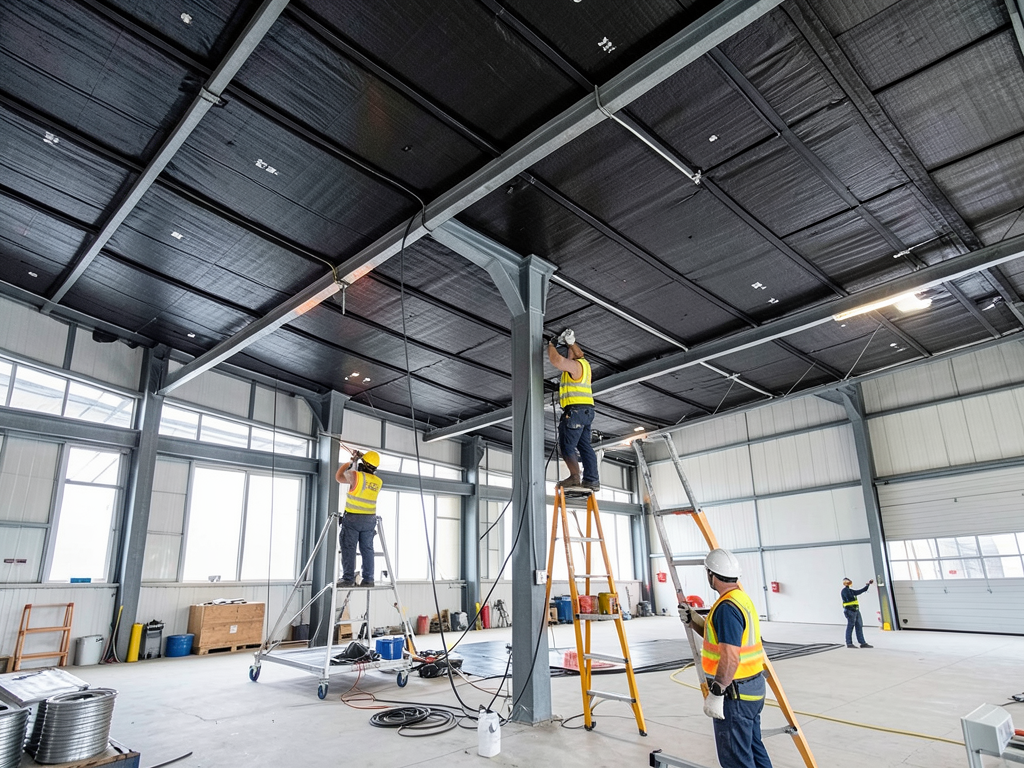
Comparing Modified Bitumen and TPO for Industrial Buildings in McKinley Park
McKinley Park’s industrial buildings face Chicago’s harshest roofing challenges. Modified bitumen and TPO represent two distinct flat roof technologies with different performance profiles in our freeze-thaw climate. This guide breaks down the technical differences, installation methods, and cost factors to help you make the right investment for your property. Is Solar Roofing Worth the Investment for Homes in Evanston?.
Chicago’s Building Code requires commercial roofs to meet specific wind uplift and thermal performance standards. Both systems can comply but through different engineering approaches. Modified bitumen offers multi-ply redundancy while TPO provides single-ply efficiency with high reflectivity.
The decision impacts more than just installation cost. It affects energy bills, maintenance schedules, and the building’s ability to withstand our notorious Lake Effect snow loads and summer thunderstorms. Let’s examine which system delivers better long-term value for McKinley Park’s industrial properties. Class 4 Impact Resistant Shingles.
Understanding the Basics: What are Modified Bitumen and TPO?
Modified bitumen evolved from traditional built-up roofing. Manufacturers add polymer modifiers like SBS (styrene-butadiene-styrene) or APP (atactic polypropylene) to asphalt. These polymers create a more flexible membrane that resists cracking during Chicago’s temperature swings. Roofing Berwyn.
APP-modified bitumen performs like a hot-mop asphalt but with enhanced UV resistance. SBS-modified bitumen remains more flexible in cold weather, making it better suited for Chicago winters. Both types install in multiple plies, typically two to three layers for industrial applications.
TPO (thermoplastic polyolefin) represents a single-ply membrane technology. The material welds at the seams using hot-air guns, creating a monolithic surface. TPO’s white surface reflects up to 87% of solar radiation, which helps buildings comply with Chicago’s Cool Roof Ordinance.
Manufacturing differences matter for Chicago’s climate. Modified bitumen uses asphalt as the primary binder while TPO uses synthetic polymers. This affects how each material handles UV exposure, thermal expansion, and moisture penetration during our freeze-thaw cycles.
Modified bitumen typically comes in 36-inch rolls while TPO arrives in 10-foot wide sheets. The wider TPO rolls mean fewer seams but require specialized welding equipment and trained technicians for proper installation.
Durability in Chicago’s Climate: Freeze-Thaw and Wind Resistance
Chicago’s climate creates unique roofing challenges. Our average of 38 freeze-thaw cycles per winter subjects roof materials to expansion and contraction stress. Modified bitumen’s multi-ply construction provides redundancy when one layer develops cracks. Roofing Forest Park.
TPO’s single-ply nature means seam integrity becomes critical. Heat-welded seams in TPO can delaminate if not properly welded or if exposed to ponding water during freeze events. Modified bitumen’s torch-down or cold-applied seams create mechanical bonds that resist separation. EPA Cool Roof Information.
Wind uplift requirements in Chicago Zone 1-90 demand specific attachment methods. Modified bitumen often uses mechanical fastening or ballast systems that distribute uplift forces across multiple layers. TPO requires precise welding patterns and may need additional fastening in high-wind areas.
Moisture management affects both systems differently. Modified bitumen’s asphalt base can absorb small amounts of moisture without immediate failure. TPO’s synthetic composition repels water but can trap moisture if the substrate becomes compromised.
UV degradation impacts each material’s lifespan. Modified bitumen relies on surfacing granules or reflective coatings for UV protection. TPO incorporates UV inhibitors directly into the membrane but can become brittle after 15-20 years of Chicago sun exposure.
Installation Methods: Torch-Down vs. Heat-Weld Seams
Installation techniques differ significantly between these systems. Modified bitumen installation involves heating the underside of the sheet with a torch or applying cold adhesive. The material melts and bonds to the substrate, creating a waterproof seal.
Torch-down installation requires skilled technicians who understand flame control and proper heating patterns. Cold-applied modified bitumen uses solvent-based adhesives that cure over 24-48 hours, reducing fire risk but extending project timelines. Extending the Life of Your Flat Roof in Hyde Park with Professional Coating.
TPO installation demands specialized hot-air welding equipment. Technicians must maintain specific temperatures (typically 1100-1300°F) and travel speeds to create proper welds. The process requires clean, dry conditions which can be challenging during Chicago’s unpredictable weather.
Modified bitumen allows for easier repairs since new material bonds directly to existing layers. TPO repairs require careful cleaning and precise welding to match the original installation quality. Improper TPO repairs often fail within one to two years.
Installation windows vary by season. Modified bitumen can install in temperatures as low as 0°F with proper adhesives. TPO welding becomes difficult below 40°F as the membrane stiffens and weld quality decreases.
Project duration typically runs 2-3 days longer for modified bitumen due to multiple layer applications. TPO’s single-ply installation can complete faster but requires perfect weather conditions for proper welding.
Cost Comparison: Upfront Investment vs. Long-Term Value
Modified bitumen typically costs $5.50-7.50 per square foot installed in the Chicago market. The multi-layer system requires more labor hours but uses less specialized equipment. Material costs run $2.00-3.50 per square foot depending on ply configuration and surfacing options.
TPO installation averages $6.00-8.50 per square foot. The single-ply system reduces labor hours but requires expensive welding equipment and skilled technicians. Material costs range from $2.50-4.00 per square foot based on thickness and manufacturer specifications.
Energy efficiency impacts operating costs significantly. TPO’s high reflectivity can reduce cooling costs by 15-25% in Chicago’s summer months. Modified bitumen with reflective coatings achieves 10-15% savings but may require re-coating every 5-7 years.
Maintenance costs differ between systems. Modified bitumen requires seam inspection and coating maintenance every 3-5 years. TPO needs less frequent maintenance but repairs cost more due to specialized welding requirements.
Insurance considerations affect total cost. Some carriers offer premium discounts for TPO’s fire-resistant properties. Modified bitumen’s multiple layers may provide better protection against interior damage if the top layer fails.
Life-cycle analysis shows modified bitumen lasting 20-25 years with proper maintenance while TPO typically provides 15-20 years of service. The longer lifespan of modified bitumen can offset its higher initial installation costs over time.
Energy Efficiency: The Chicago ‘Cool Roof’ Requirement
Chicago’s Energy Conservation Code mandates specific thermal performance for commercial roofs. TPO naturally complies with reflectivity requirements, typically achieving Solar Reflectance Index (SRI) values of 95-110. Modified bitumen requires reflective coatings to meet these standards.
Summer cooling loads impact utility costs significantly. A TPO roof can reduce peak cooling demand by 20-30% compared to standard modified bitumen. This translates to $0.15-0.25 per square foot annually in energy savings for typical industrial buildings.
Winter performance differs between systems. Modified bitumen’s darker surface can provide slight warming benefits during sunny winter days. However, this advantage rarely offsets summer cooling savings in Chicago’s climate.
Infrared thermography reveals heat transfer differences. TPO maintains surface temperatures 30-50°F cooler than modified bitumen on sunny days. This temperature differential reduces thermal stress on HVAC equipment and improves indoor comfort.
Condensation concerns affect both systems. TPO’s high reflectivity can create larger temperature differentials between day and night, potentially increasing condensation risk in certain applications. Modified bitumen’s more moderate temperature swings may reduce this issue.
Rebates and incentives favor reflective roofing. ComEd offers up to $0.30 per square foot for TPO installations that meet specific reflectivity standards. Modified bitumen with qualifying coatings may qualify for similar incentives but often requires additional documentation.. Read more about Why Cold-Applied Roofing is a Smarter Choice for Small Shops in Brighton Park.
Maintenance and Repairability Differences
Modified bitumen maintenance involves regular seam inspection and coating reapplication. The multi-layer system allows for spot repairs without affecting overall roof integrity. A technician can patch small areas using torch or cold-applied methods that match the original installation.
TPO maintenance focuses on seam integrity and surface cleaning. The single-ply membrane means any penetration or seam failure can compromise the entire system. Repairs require specialized welding equipment and cannot be performed in wet or freezing conditions.
Foot traffic affects each system differently. Modified bitumen’s multiple layers provide better puncture resistance, typically achieving 40-60 pounds of puncture resistance. TPO generally offers 20-35 pounds of puncture resistance in standard commercial grades.
Snow removal presents unique challenges. Modified bitumen’s textured surface provides better traction for maintenance personnel. TPO’s smoother surface can become slippery when wet but resists snow and ice buildup better due to its smoother profile.
Chemical exposure impacts vary by system. Modified bitumen’s asphalt base can soften when exposed to petroleum products or certain solvents. TPO offers better chemical resistance but can be damaged by prolonged exposure to animal fats or certain industrial chemicals.
Repair costs typically run $200-400 for modified bitumen patches versus $350-600 for TPO repairs. The higher TPO repair costs reflect specialized labor requirements and equipment needs.
Verdict: Which System Should You Choose for Your Property?
Modified bitumen excels for buildings requiring maximum puncture resistance or those with heavy rooftop equipment. The multi-layer redundancy provides insurance against single-point failures. This system works best for warehouses storing valuable inventory or buildings with frequent maintenance access.
TPO offers superior energy efficiency and easier installation for large, open roof areas. The single-ply system reduces weight load and provides better reflectivity for buildings with high cooling demands. This option suits manufacturing facilities or data centers where temperature control impacts operations.
Budget considerations matter significantly. Modified bitumen’s lower material costs and easier repairs favor properties planning to hold the building for 15+ years. TPO’s energy savings and faster installation benefit owners seeking shorter payback periods or those with immediate cash flow concerns.
Building use patterns influence the decision. Facilities with minimal rooftop access or those prioritizing energy efficiency should consider TPO. Buildings requiring frequent maintenance, housing heavy equipment, or needing maximum durability should choose modified bitumen.
Local weather patterns in McKinley Park favor modified bitumen’s freeze-thaw resistance. Our area experiences more extreme temperature swings than other Chicago neighborhoods due to its proximity to the Stevenson Expressway corridor and industrial heat islands.
Long-term planning should guide your choice. Consider planned building use, energy cost trends, and maintenance capabilities. Both systems can provide excellent service when properly specified and installed for Chicago’s unique climate conditions.
Frequently Asked Questions
How long does each roofing system typically last in Chicago?
Modified bitumen lasts 20-25 years with proper maintenance while TPO typically provides 15-20 years of service. Chicago’s freeze-thaw cycles and UV exposure affect both systems, but modified bitumen’s multi-layer construction provides better long-term durability in our climate.
Which system is more energy efficient for Chicago buildings?
TPO offers superior energy efficiency with its high reflectivity, reducing cooling costs by 15-25% annually. Modified bitumen requires reflective coatings to achieve similar performance and may need re-coating every 5-7 years to maintain energy efficiency standards.
What are the installation temperature requirements for each system?
Modified bitumen can install in temperatures as low as 0°F with proper adhesives. TPO welding becomes difficult below 40°F as the membrane stiffens. This makes modified bitumen more suitable for year-round installation in Chicago’s variable climate.
How do repair costs compare between the two systems?
Modified bitumen repairs typically cost $200-400 while TPO repairs run $350-600. Modified bitumen allows easier spot repairs using matching installation methods, while TPO repairs require specialized welding equipment and cannot be performed in wet or freezing conditions.
Which system handles Chicago’s wind uplift requirements better?
Both systems can meet Chicago’s Zone 1-90 wind uplift requirements when properly installed. Modified bitumen often uses mechanical fastening or ballast systems that distribute uplift forces across multiple layers. TPO requires precise welding patterns and may need additional fastening in high-wind areas.
Call (773) 599-7055 today to schedule your inspection. Our McKinley Park industrial roofing specialists will evaluate your building’s specific needs and recommend the right system for your budget and performance requirements. Don’t wait until winter weather reveals your roof’s weaknesses. For more information, visit National Roofing Contractors Association.
You may also find this helpful. Why Your Brick Parapet Walls Are Leaking Even With a New Roof in Chinatown.
You may also find this helpful. Why Roof Scuppers Fail and How to Fix the Drainage on Your Chinatown Flat Roof.
You may also find this helpful. Managing the Complexities of Roofing Around Heavy HVAC Units in Fulton Market.
{
“@context”: “https://schema.org”,
“@type”: “BlogPosting”,
“headline”: “Comparing Modified Bitumen and TPO for Industrial Buildings in McKinley Park”,
“description”: “McKinley Park industrial property owners need the right flat roof system. Compare modified bitumen vs TTP for Chicago’s freeze-thaw climate, energy codes, and ROI.”,
“wordCount”: 1918,
“datePublished”: “2026-05-08T06:16:00.000Z”,
“dateModified”: “2026-05-08T06:16:00.000Z”,
“inLanguage”: “en-US”,
“mainEntityOfPage”: {
“@type”: “WebPage”,
“@id”: “https://patriotroofingchicago.com”
},
“publisher”: {
“@type”: “LocalBusiness”,
“name”: “Patriot Roofing Chicago”,
“url”: “https://patriotroofingchicago.com”
},
“author”: {
“@type”: “Organization”,
“name”: “Patriot Roofing Chicago”,
“url”: “https://patriotroofingchicago.com”
},
“image”: {
“@type”: “ImageObject”,
“url”: “https://patriotroofingchicago.com/wp-content/uploads/2026/03/comparing-modified-bitumen-and-tpo-for-industrial-1.png”
}
}
{
“@context”: “https://schema.org”,
“@type”: “RoofingContractor”,
“name”: “Patriot Roofing Chicago”,
“url”: “https://patriotroofingchicago.com”,
“address”: {
“@type”: “PostalAddress”,
“addressLocality”: “Chicago”
},
“areaServed”: {
“@type”: “City”,
“name”: “Chicago”
}
}
{
“@context”: “https://schema.org”,
“@type”: “FAQPage”,
“mainEntity”: [
{
“@type”: “Question”,
“name”: “Understanding the Basics: What are Modified Bitumen and TPO?”,
“acceptedAnswer”: {
“@type”: “Answer”,
“text”: “Modified bitumen evolved from traditional built-up roofing. Manufacturers add polymer modifiers like SBS (styrene-butadiene-styrene) or APP (atactic polypropylene) to asphalt. These polymers create a more flexible membrane that resists cracking during Chicago’s temperature swings. Roofing Berwyn.”
}
},
{
“@type”: “Question”,
“name”: “Verdict: Which System Should You Choose for Your Property?”,
“acceptedAnswer”: {
“@type”: “Answer”,
“text”: “Modified bitumen excels for buildings requiring maximum puncture resistance or those with heavy rooftop equipment. The multi-layer redundancy provides insurance against single-point failures. This system works best for warehouses storing valuable inventory or buildings with frequent maintenance access.”
}
},
{
“@type”: “Question”,
“name”: “How long does each roofing system typically last in Chicago?”,
“acceptedAnswer”: {
“@type”: “Answer”,
“text”: “Modified bitumen lasts 20-25 years with proper maintenance while TPO typically provides 15-20 years of service. Chicago’s freeze-thaw cycles and UV exposure affect both systems, but modified bitumen’s multi-layer construction provides better long-term durability in our climate.”
}
},
{
“@type”: “Question”,
“name”: “Which system is more energy efficient for Chicago buildings?”,
“acceptedAnswer”: {
“@type”: “Answer”,
“text”: “TPO offers superior energy efficiency with its high reflectivity, reducing cooling costs by 15-25% annually. Modified bitumen requires reflective coatings to achieve similar performance and may need re-coating every 5-7 years to maintain energy efficiency standards.”
}
},
{
“@type”: “Question”,
“name”: “What are the installation temperature requirements for each system?”,
“acceptedAnswer”: {
“@type”: “Answer”,
“text”: “Modified bitumen can install in temperatures as low as 0°F with proper adhesives. TPO welding becomes difficult below 40°F as the membrane stiffens. This makes modified bitumen more suitable for year-round installation in Chicago’s variable climate.”
}
},
{
“@type”: “Question”,
“name”: “How do repair costs compare between the two systems?”,
“acceptedAnswer”: {
“@type”: “Answer”,
“text”: “Modified bitumen repairs typically cost $200-400 while TPO repairs run $350-600. Modified bitumen allows easier spot repairs using matching installation methods, while TPO repairs require specialized welding equipment and cannot be performed in wet or freezing conditions.”
}
},
{
“@type”: “Question”,
“name”: “Which system handles Chicago’s wind uplift requirements better?”,
“acceptedAnswer”: {
“@type”: “Answer”,
“text”: “Both systems can meet Chicago’s Zone 1-90 wind uplift requirements when properly installed. Modified bitumen often uses mechanical fastening or ballast systems that distribute uplift forces across multiple layers. TPO requires precise welding patterns and may need additional fastening in high-wind areas.”
}
}
]
}
{
“@context”: “https://schema.org”,
“@type”: “BreadcrumbList”,
“itemListElement”: [
{
“@type”: “ListItem”,
“position”: 1,
“name”: “Home”,
“item”: “https://patriotroofingchicago.com”
},
{
“@type”: “ListItem”,
“position”: 2,
“name”: “Blog”,
“item”: “https://patriotroofingchicago.com/blog”
},
{
“@type”: “ListItem”,
“position”: 3,
“name”: “Comparing Modified Bitumen and TPO for Industrial Buildings in McKinley Park”
}
]
}
{
“@context”: “https://schema.org”,
“@type”: “Service”,
“serviceType”: “Roofing”,
“provider”: {
“@type”: “LocalBusiness”,
“name”: “Patriot Roofing Chicago”,
“url”: “https://patriotroofingchicago.com”
},
“areaServed”: {
“@type”: “City”,
“name”: “Chicago”
},
“description”: “McKinley Park industrial property owners need the right flat roof system. Compare modified bitumen vs TTP for Chicago’s freeze-thaw climate, energy codes, and ROI.”
}