
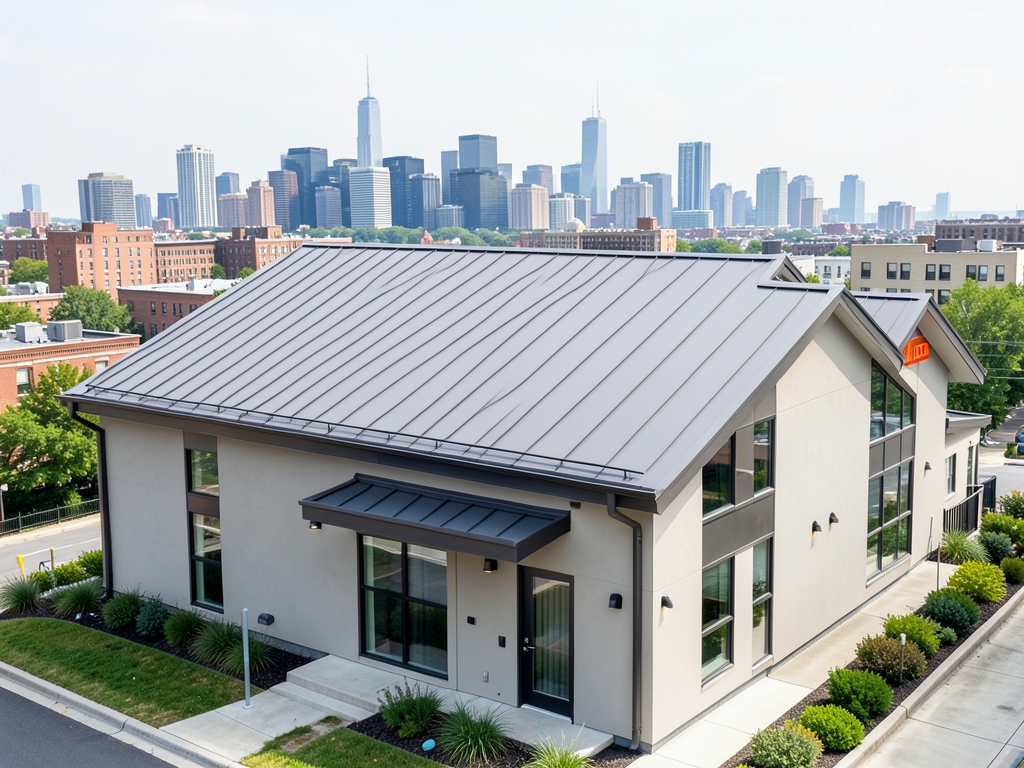
Choosing the Right Roofing Material for Your Modern ADU in West Town
Building a modern accessory dwelling unit in West Town requires careful material selection that balances aesthetics, durability, and Chicago’s harsh climate. The right roofing choice affects energy efficiency, maintenance costs, and long-term performance through Lake Michigan’s lake-effect snow and summer humidity. Chicago Building Code Title 14.
Understanding West Town’s Architectural Context
West Town’s modern ADUs blend contemporary design with Chicago’s industrial heritage. The neighborhood features converted warehouses, new construction, and infill development along Chicago Avenue and Grand Avenue. Most ADUs here range from 400 to 800 square feet, requiring roofing systems that maximize limited space while meeting Chicago Building Code Title 14 requirements. Is Solar Roofing Worth the Investment for Homes in Evanston?.
Local architectural trends favor clean lines, flat or low-slope profiles, and materials that complement exposed brick and steel elements common in West Town’s adaptive reuse projects. The area’s mature tree canopy creates additional considerations for debris management and shade patterns affecting roof performance.
Climate Considerations for Chicago ADUs
Chicago’s climate presents unique challenges for modern ADUs. The city experiences 36 inches of annual snowfall, with lake-effect storms dumping up to 8 inches in 24 hours. Wind speeds regularly exceed 30 mph, with gusts over 60 mph during severe weather events. Temperature swings from -20°F in winter to 95°F in summer cause materials to expand and contract, testing installation quality.
Ice dam formation occurs when snow melts on warm roof sections and refreezes at colder eaves. This creates water backup under shingles, causing interior damage. West Town’s proximity to Lake Michigan increases humidity levels, accelerating algae growth and wood rot in poorly ventilated systems.
Material Options for Modern ADUs
Modern ADUs in West Town typically feature three roofing material categories: low-slope membranes, standing seam metal, and architectural shingles. Each offers distinct advantages for different design goals and budget constraints. Roofing Berwyn.
Low-slope membranes include TPO (thermoplastic polyolefin), EPDM rubber, and modified bitumen. These materials work well for flat roof designs common in modern architecture. TPO offers superior energy efficiency with white reflective surfaces reducing cooling costs by up to 30% in summer months. Energy Star roofing requirements.
Standing seam metal provides clean vertical lines that complement contemporary designs. Aluminum and steel panels interlock to create weather-tight seals. Metal roofing reflects solar heat, reducing attic temperatures by 20-25°F compared to asphalt shingles. Roofing Forest Park.
Architectural shingles offer the most affordable option while still providing dimensional texture that mimics wood shakes or slate. Modern manufacturing creates impact-resistant varieties meeting Class 4 standards for hail resistance. Class 4 Impact Resistant Shingles.
Comparing Material Performance
The following comparison shows how different materials perform in Chicago’s climate:
| Material Type | Wind Rating | Energy Efficiency | Expected Lifespan | Initial Cost |
|---|---|---|---|---|
| TPO Membrane | 120 mph | Excellent | 25-30 years | $$ |
| Standing Seam Metal | 140 mph | Very Good | 40-50 years | $$$ |
| Architectural Shingles | 110 mph | Fair | 20-25 years | $ |
Installation Requirements for Chicago ADUs
Chicago Building Code Section 14-4-803 requires specific installation methods for ADU roofing. Low-slope roofs under 2:12 pitch must use approved membrane systems with minimum 60-mil thickness. All installations require Class A fire rating for structures within 5 feet of property lines.. Read more about What You Need to Know About Roofing a New Coach House in North Center.
Ice and water shield installation proves critical in West Town. The code mandates six feet of ice shield application along eaves where temperatures drop below 30°F. This self-adhering membrane prevents water infiltration from ice damming.
Ventilation requirements under Section 14-4-807 specify one square foot of net free ventilation area per 150 square feet of attic space. Modern ADUs often feature vaulted ceilings, requiring ridge vents or solar-powered attic fans to meet code.
Energy Efficiency Considerations
Energy Star certification requirements affect material selection for West Town ADUs. Cool roof materials with solar reflectance index (SRI) values above 78 reduce heat absorption. White TPO membranes achieve SRI ratings of 100, while light-colored metal panels score 70-85.
Chicago’s Energy Conservation Code requires minimum R-38 insulation in roof assemblies. This translates to 12-14 inches of fiberglass or 8-10 inches of spray foam depending on material. Proper insulation prevents ice dam formation by maintaining uniform roof temperatures.
Green roof systems offer alternative energy benefits. Living roofs with drought-resistant sedum plants provide R-20 insulation value while absorbing rainwater. Chicago’s Green Alley program provides incentives for sustainable roofing systems reducing stormwater runoff.
Cost Analysis for Different Materials
Material costs vary significantly based on quality and installation complexity. TPO membrane installation averages $7-9 per square foot including underlayment and flashing. Standing seam metal costs $12-15 per square foot due to specialized equipment and skilled labor requirements.
Architectural shingles provide the most economical option at $4-6 per square foot. However, lower upfront costs often result in higher long-term expenses through increased energy bills and more frequent replacement needs.
Installation timing affects project costs. Roofing contractors charge 15-20% premium for winter installations due to cold-weather precautions and material handling requirements. Spring and fall offer optimal conditions with standard pricing.
Maintenance Requirements by Material
Each roofing material demands specific maintenance protocols to maximize lifespan. TPO membranes require annual seam inspections and cleaning to prevent dirt accumulation reducing reflectivity. Minor punctures from tree branches need immediate repair to prevent water infiltration.
Metal roofing maintenance focuses on fastener inspection and sealant replacement around penetrations. Aluminum panels resist corrosion but steel components need protective coating renewal every 10-15 years. Snow removal from metal roofs requires plastic tools to prevent surface scratching.
Asphalt shingles need biannual inspections checking for granule loss, curling, and wind damage. Moss and algae growth in shaded areas require chemical treatment. Clogged gutters cause water backup, accelerating shingle deterioration.
Local Permitting Process
ADU construction in West Town requires multiple permits from the City of Chicago. The building permit application includes structural drawings, energy calculations, and material specifications. Plan review typically takes 4-6 weeks with additional time for revisions.
Electrical and plumbing permits run concurrently with building permits. Licensed contractors must pull these permits, with inspections scheduled at rough-in and final stages. Final occupancy requires all inspections passed and fees paid.
Historic district considerations affect material choices for properties near Chicago Avenue’s older sections. The Commission on Chicago Landmarks reviews exterior modifications for properties within designated districts.. Read more about Why Real Clay Tiles Might Not Be the Best Choice for Your Home in Sauganash.
Common Installation Mistakes to Avoid
Improper slope calculation causes water pooling on flat roofs. Minimum 1/4 inch per foot slope ensures drainage. Without adequate slope, standing water accelerates membrane deterioration and creates mosquito breeding grounds.
Inadequate flashing installation leads to water infiltration around chimneys, skylights, and wall intersections. Step flashing must extend 4 inches up vertical surfaces with counterflashing covering the top edge. Missing or improperly installed flashing causes 90% of roof leaks.
Wrong fastener selection results in material failure. Galvanized nails for shingles must penetrate 3/4 inch into roof deck. Membrane fasteners require specific spacing patterns preventing billowing in high winds.
Environmental Impact Considerations
Material selection affects environmental footprint through manufacturing, transportation, and disposal impacts. Recycled content percentages vary by material type. Metal roofing contains 25-95% recycled content depending on manufacturer. TPO membranes typically contain 0-10% recycled content.
End-of-life disposal options differ significantly. Metal roofing achieves 100% recyclability. Asphalt shingles face landfill disposal in most jurisdictions, though recycling programs exist in some areas. Membrane materials require specialized recycling facilities handling synthetic materials.
Stormwater management benefits certain materials. Green roofs absorb up to 70% of rainfall, reducing sewer system burden. Light-colored reflective materials decrease urban heat island effects by lowering ambient temperatures.
Choosing Based on Design Goals
Contemporary ADU designs favor clean, minimalist aesthetics achievable with specific materials. Standing seam metal provides uniform appearance with concealed fasteners creating uninterrupted vertical lines. Available in 24-30 gauge thicknesses with custom color options matching architectural elements.
Industrial-inspired designs incorporate exposed fasteners and raw material finishes. Corrugated metal panels offer authentic warehouse aesthetic at lower cost than standing seam systems. Weathering steel develops rust patina over time, creating dynamic visual interest.
Traditional designs using modern materials achieve updated appearance while maintaining neighborhood compatibility. Architectural shingles in dimensional profiles mimic wood shakes without fire hazard or maintenance requirements.
Cost vs. Value Analysis
Initial material costs represent only portion of total investment. Labor rates vary by material complexity, with metal roofing requiring 40-50% more installation time than asphalt shingles. Specialized equipment rental adds $500-1,500 to project costs.
Energy savings offset higher initial costs over time. TPO membranes reduce cooling costs $200-400 annually in Chicago’s climate. Metal roofing provides $150-300 annual savings through heat reflection and snow shedding reducing structural loads.
Insurance premium reductions reward impact-resistant materials. Class 4 rated shingles qualify for 15-20% premium discounts. Metal roofing often receives additional wind mitigation credits in high-velocity zones.
Making Your Final Decision
Material selection requires balancing multiple factors: budget constraints, energy efficiency goals, aesthetic preferences, and long-term maintenance capabilities. Consider these questions before finalizing your choice:
- How long do you plan to own the property?
- What energy efficiency improvements matter most?
- Does the design require specific material profiles?
- What maintenance commitment can you provide?
Professional assessment helps identify optimal solutions for specific site conditions. Factors like existing roof structure capacity, local wind patterns, and sun exposure affect material performance. Extending the Life of Your Flat Roof in Hyde Park with Professional Coating.
Frequently Asked Questions
What’s the best roofing material for a modern ADU in West Town?
Standing seam metal offers optimal balance of durability, energy efficiency, and contemporary aesthetics for West Town ADUs. It withstands Chicago’s extreme weather while providing clean lines that complement modern architecture.
How much does ADU roofing cost in Chicago?
ADU roofing costs range from $4,000 to $15,000 depending on material selection, size, and installation complexity. TPO membranes cost $7-9 per square foot, while standing seam metal runs $12-15 per square foot.
Do I need special permits for ADU roofing in West Town?
Yes, Chicago requires building permits for all new roofing installations. ADUs need structural drawings, energy calculations, and material specifications submitted for plan review before work begins.
Ready to Choose Your ADU Roofing Material?
Selecting the right roofing material impacts your ADU’s performance, energy costs, and long-term value. West Town’s unique climate and architectural context require materials that balance aesthetics with durability.
Call (773) 599-7055 today to schedule your free consultation. Our Chicago roofing experts understand local building codes and can recommend materials that meet your design goals while withstanding our city’s challenging weather conditions.
Don’t wait until winter storms arrive. Pick up the phone and call (773) 599-7055 before the next storm hits. Your ADU deserves roofing that protects your investment for decades to come.
{
“@context”: “https://schema.org”,
“@type”: “BlogPosting”,
“headline”: “Choosing the Right Roofing Material for Your Modern ADU in West Town”,
“description”: “Find the best roofing materials for modern ADUs in West Town. Learn about durability, energy efficiency, and local building codes for Chicago’s unique climate.”,
“wordCount”: 1747,
“datePublished”: “2026-05-20T08:20:00.000Z”,
“dateModified”: “2026-05-20T08:20:00.000Z”,
“inLanguage”: “en-US”,
“mainEntityOfPage”: {
“@type”: “WebPage”,
“@id”: “https://patriotroofingchicago.com”
},
“publisher”: {
“@type”: “LocalBusiness”,
“name”: “Patriot Roofing Chicago”,
“url”: “https://patriotroofingchicago.com”
},
“author”: {
“@type”: “Organization”,
“name”: “Patriot Roofing Chicago”,
“url”: “https://patriotroofingchicago.com”
},
“image”: {
“@type”: “ImageObject”,
“url”: “https://patriotroofingchicago.com/wp-content/uploads/2026/03/choosing-the-right-roofing-material-for-your-moder-1.png”
}
}
{
“@context”: “https://schema.org”,
“@type”: “RoofingContractor”,
“name”: “Patriot Roofing Chicago”,
“url”: “https://patriotroofingchicago.com”,
“address”: {
“@type”: “PostalAddress”,
“addressLocality”: “Chicago”
},
“areaServed”: {
“@type”: “City”,
“name”: “Chicago”
}
}
{
“@context”: “https://schema.org”,
“@type”: “FAQPage”,
“mainEntity”: [
{
“@type”: “Question”,
“name”: “What’s the best roofing material for a modern ADU in West Town?”,
“acceptedAnswer”: {
“@type”: “Answer”,
“text”: “Standing seam metal offers optimal balance of durability, energy efficiency, and contemporary aesthetics for West Town ADUs. It withstands Chicago’s extreme weather while providing clean lines that complement modern architecture.”
}
},
{
“@type”: “Question”,
“name”: “How much does ADU roofing cost in Chicago?”,
“acceptedAnswer”: {
“@type”: “Answer”,
“text”: “ADU roofing costs range from $4,000 to $15,000 depending on material selection, size, and installation complexity. TPO membranes cost $7-9 per square foot, while standing seam metal runs $12-15 per square foot.”
}
},
{
“@type”: “Question”,
“name”: “Do I need special permits for ADU roofing in West Town?”,
“acceptedAnswer”: {
“@type”: “Answer”,
“text”: “Yes, Chicago requires building permits for all new roofing installations. ADUs need structural drawings, energy calculations, and material specifications submitted for plan review before work begins.”
}
},
{
“@type”: “Question”,
“name”: “Ready to Choose Your ADU Roofing Material?”,
“acceptedAnswer”: {
“@type”: “Answer”,
“text”: “Selecting the right roofing material impacts your ADU’s performance, energy costs, and long-term value. West Town’s unique climate and architectural context require materials that balance aesthetics with durability.”
}
}
]
}
{
“@context”: “https://schema.org”,
“@type”: “BreadcrumbList”,
“itemListElement”: [
{
“@type”: “ListItem”,
“position”: 1,
“name”: “Home”,
“item”: “https://patriotroofingchicago.com”
},
{
“@type”: “ListItem”,
“position”: 2,
“name”: “Blog”,
“item”: “https://patriotroofingchicago.com/blog”
},
{
“@type”: “ListItem”,
“position”: 3,
“name”: “Choosing the Right Roofing Material for Your Modern ADU in West Town”
}
]
}
{
“@context”: “https://schema.org”,
“@type”: “Service”,
“serviceType”: “Roofing”,
“provider”: {
“@type”: “LocalBusiness”,
“name”: “Patriot Roofing Chicago”,
“url”: “https://patriotroofingchicago.com”
},
“areaServed”: {
“@type”: “City”,
“name”: “Chicago”
},
“description”: “Find the best roofing materials for modern ADUs in West Town. Learn about durability, energy efficiency, and local building codes for Chicago’s unique climate.”
}