
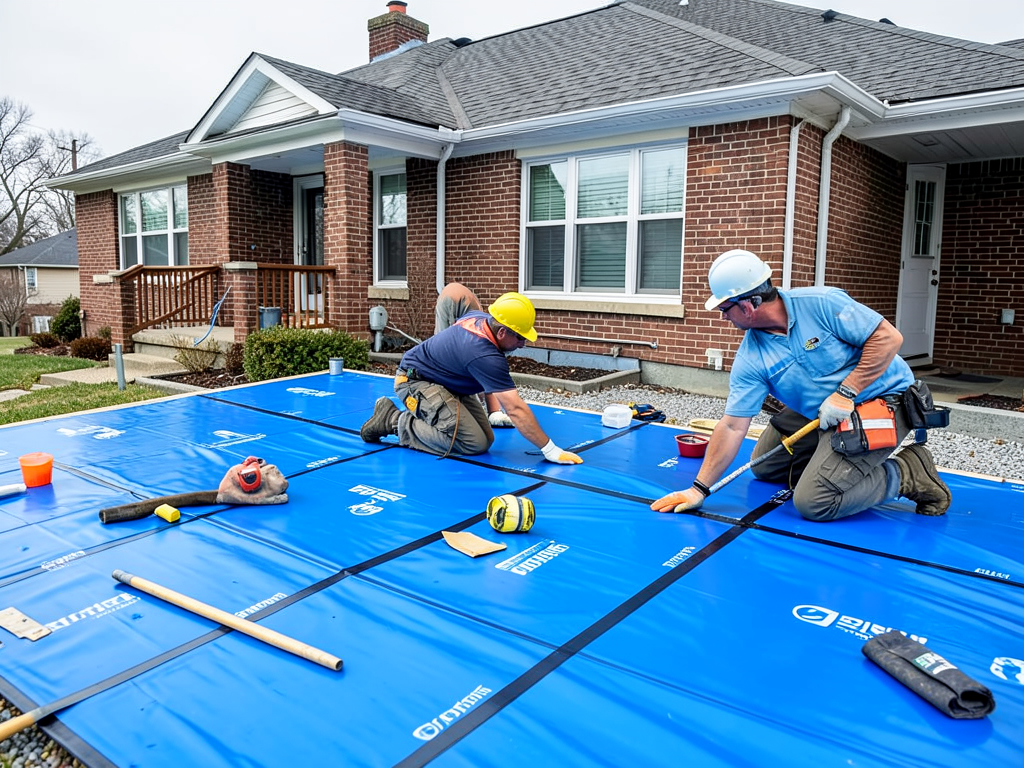
How to Choose a Roofing Contractor Who Actually Specializes in Chicago 2-Flats and 3-Flats
Chicago’s 2-flats and 3-flats represent a unique architectural heritage built on Chicago Blue Clay soil with specific drainage challenges. These multi-unit buildings require contractors who understand the Chicago Department of Buildings permit process, Class A fire ratings, and how to minimize tenant disruption during construction. Finding the right specialist means looking beyond basic licensing to expertise in local building codes, weatherproofing for lake effect snow, and experience with Chicago’s dense residential neighborhoods. Chicago Department of Buildings roofing requirements.
Understanding Chicago’s Multi-Unit Roofing Challenges
Chicago’s 2-flats and 3-flats face distinct challenges that generic residential roofers often overlook. The buildings sit on heavy clay soil that shifts seasonally, causing roof alignment issues over time. The city’s freeze-thaw cycles create ice dams that can back up under shingles, while the lake effect snow adds structural load that standard residential roofs aren’t designed to handle. These buildings also require Class A fire ratings under Chicago Municipal Code Section 13-56-300, which many contractors unfamiliar with Chicago code simply don’t know.
The tenant coordination aspect alone separates specialists from generalists. A 2-flat roof replacement means managing access for multiple families, protecting their belongings, and maintaining communication throughout the project. The contractor must understand alley access logistics in neighborhoods like Logan Square or Pilsen, where narrow streets complicate material delivery and dumpster placement. What to Do When You Have a Roof Leak Emergency in Logan Square.
Key Credentials for Chicago Multi-Unit Specialists
Start with Illinois Department of Financial and Professional Regulation licensing. Chicago requires a Limited Roofing Contractor license for residential work, but multi-unit buildings often need an Unlimited license due to project scope. Verify the license number through IDFPR’s online database and check for any disciplinary actions. Illinois Department of Financial and Professional Regulation roofing license verification.
Insurance coverage must extend beyond basic liability. Multi-unit projects require higher coverage limits, typically $1 million per occurrence, to protect against potential tenant displacement or property damage. The contractor should carry workers’ compensation insurance with proper coverage for all employees, not just subcontractors.
Manufacturer certifications matter significantly. GAF Master Elite, CertainTeed SELECT ShingleMaster, or similar certifications indicate the contractor has passed manufacturer training and meets quality standards. For flat roofs on 2-flats, look for certifications in TPO or EPDM installation, as these materials require specific application techniques that affect warranty coverage.
Chicago-Specific Building Code Requirements
Chicago’s building codes differ substantially from suburban requirements. The Department of Buildings mandates specific underlayment requirements for multi-family buildings, including ice and water shield extending at least 24 inches past the interior wall line. Attic ventilation must meet strict requirements, with net free area calculations based on roof square footage and local climate zone 5 requirements. Extending the Life of Your Flat Roof in Hyde Park with Professional Coating.
Fire ratings become critical in multi-unit buildings. Chicago Municipal Code Section 13-56-300 requires Class A fire ratings for roofs on buildings with three or more units or those exceeding 25 feet in height. This means architectural shingles or specific membrane systems, not standard 3-tab shingles many contractors default to for single-family homes.
Permit requirements vary by neighborhood. Buildings in historic districts like Wicker Park or Ukrainian Village face additional review processes. The contractor should handle permit acquisition, including submitting detailed plans showing material specifications, ventilation calculations, and fire rating documentation.
Material Selection for Chicago’s Climate
Chicago’s weather demands specific material choices. TPO membranes work well for flat roofs on 2-flats, offering UV resistance and energy efficiency. The material must be installed with proper seam welding techniques – a diagnostic test involves checking seam integrity with a holiday detector to ensure no leaks exist.
For sloped roofs, architectural shingles rated for 110+ mph winds provide better protection than standard options. The shingles should have a minimum 30-year warranty and be installed with six nails per shingle, not the standard four, to withstand Chicago’s wind patterns.
Ice and water shield application requires specific techniques. The shield must extend from the eave up the roof deck at least 24 inches past the interior wall line. During installation, technicians use a moisture meter to check the deck’s moisture content before applying underlayment – if readings exceed 18%, the deck needs drying time.
Tenant Coordination and Project Management
Multi-unit projects require sophisticated project management. The contractor should provide a detailed timeline showing work phases, access requirements, and noise schedules. For buildings with elderly or disabled tenants, the contractor must plan for longer project durations to accommodate their needs.
Communication protocols matter significantly. The contractor should designate a project manager as your single point of contact. This person handles tenant questions, coordinates parking arrangements, and manages any unexpected issues like discovering rotted decking or damaged flashing.
Waste management requires specific planning. The contractor must arrange for dumpster permits from the city and coordinate with neighbors about placement. In dense neighborhoods, this might mean using smaller dumpsters with more frequent pickups to avoid blocking alleys or street parking.
Cost Factors and Value Assessment
Multi-unit roofing costs vary significantly based on building height, roof complexity, and material choices. Expect to pay 20-30% more than single-family home rates due to increased labor, equipment needs, and project management requirements. However, cutting costs often leads to problems – cheap materials fail faster in Chicago’s climate, and inexperienced crews cause delays and damage. Is Solar Roofing Worth the Investment for Homes in Evanston?.
Request detailed proposals that break down costs by category: materials, labor, permits, disposal, and overhead. Compare proposals based on total value, not just bottom-line price. A proposal $2,000 higher but including better materials and a longer warranty might save thousands in future repairs.
Payment schedules should align with project milestones. Never pay the full amount upfront. A typical schedule involves 30% upon material delivery, 40% at mid-project, and 30% upon final inspection and cleanup. This structure protects both parties and ensures the contractor completes the work.
Red Flags to Watch For
Be wary of contractors who can’t provide proof of insurance or licensing. A legitimate Chicago roofing contractor will readily share their IDFPR license number, insurance certificates, and references from similar multi-unit projects. They should also provide manufacturer warranty documentation and explain what’s covered. Roofing Berwyn.
Avoid contractors who pressure you for immediate decisions or cash payments. Quality contractors understand these are significant investments and give you time to compare options. They also offer multiple payment methods, including financing options for larger projects.
Watch for unrealistic timelines. A quality 2-flat roof replacement typically takes 3-5 days, not the 1-2 days some contractors promise. Rushed work leads to mistakes, poor cleanup, and potential damage to tenant property.
Questions to Ask Potential Contractors
Ask specific questions that reveal expertise. How many 2-flats and 3-flats have they completed in Chicago in the past year? What’s their process for handling unexpected issues like rotted decking or damaged flashing? Can they provide references from property managers or HOA boards?
Inquire about their warranty structure. A comprehensive warranty should cover both materials and workmanship, typically for 10-25 years depending on the system. Ask about transferability – if you sell the building, can the new owner benefit from the remaining warranty?
Discuss their cleanup and protection procedures. How do they protect landscaping, patios, and tenant belongings? What’s their process for daily cleanup? Do they use magnetic sweepers to collect nails and metal debris?
Making Your Final Decision
Don’t just choose the lowest bid. Consider the contractor’s experience with Chicago multi-unit buildings, their understanding of local codes, their communication style, and their proposed materials. A contractor who demonstrates knowledge of Chicago’s specific challenges and provides detailed, professional proposals likely delivers better results than one offering rock-bottom prices.. Read more about Understanding the Shared Roof Responsibilities for Owners of 3-Flats in Uptown.
Trust your instincts during initial meetings. A quality contractor will ask about your building’s history, tenant needs, and specific concerns. They should provide a written estimate with detailed specifications, not just a price on a business card.
Remember that your roof protects multiple families and represents a significant investment. Taking time to find the right specialist pays dividends in quality, durability, and peace of mind.. Read more about Choosing the Right Roofing Material for Your Modern ADU in West Town.
Frequently Asked Questions
How long does a typical 2-flat roof replacement take in Chicago?
A standard 2-flat roof replacement in Chicago typically takes 3-5 days, depending on weather conditions, roof size, and any unexpected issues discovered during removal. Complex projects or those requiring special permits may take longer.
What permits are required for roofing a multi-unit building in Chicago?
Chicago requires a building permit for any roof replacement on multi-unit buildings. The contractor must submit detailed plans showing materials, fire ratings, and ventilation calculations to the Department of Buildings. Additional permits may be needed for dumpster placement or work in historic districts.
How much should I expect to pay for a 2-flat roof replacement in Chicago?
Expect to pay $8,000-$15,000 for a standard 2-flat roof replacement in Chicago, depending on roof size, materials chosen, and building height. Multi-unit projects typically cost 20-30% more than single-family homes due to increased complexity and requirements.
Ready to Protect Your Multi-Unit Investment?
Choosing the right roofing contractor for your Chicago 2-flat or 3-flat requires specialized knowledge of local codes, materials, and tenant coordination. Don’t leave this critical investment to chance or cut-rate contractors who don’t understand Chicago’s unique requirements. Roofing Forest Park.
Call (773) 599-7055 today to schedule your consultation with Chicago’s multi-unit roofing specialists. We’ll assess your building’s specific needs, explain your options, and provide a detailed proposal that protects your investment and your tenants.
Pick up the phone and call (773) 599-7055 before the next storm hits. Your building deserves a contractor who understands Chicago’s unique roofing challenges.
Comparing Roofing Contractors for Multi-Unit Buildings
| Contractor Qualification | General Roofer | Chicago Multi-Unit Specialist |
|---|---|---|
| Illinois License Type | Limited | Unlimited |
| Insurance Coverage | $300,000 | $1,000,000+ |
| Chicago Code Knowledge | Basic | Expert |
| Multi-Unit Experience | Few Projects | Extensive Portfolio |
| Tenant Coordination | Minimal | Professional Process |
Material Options for Chicago Multi-Unit Buildings
| Material Type | Best For | Chicago Suitability | Cost Range |
|---|---|---|---|
| TPO Membrane | Flat Roofs | Excellent UV/Weather Resistance | $5-8/sq ft |
| Architectural Shingles | Pitched Roofs | 110+ mph Wind Rating | $4-6/sq ft |
| Modified Bitumen | Low-Slope | Good Cold Weather Performance | $6-9/sq ft |
| Metal Roofing | Any Style | Superior Durability | $10-15/sq ft |
You may also find this helpful. Why Your Brick Parapet Walls Are Leaking Even With a New Roof in Chinatown.
{
“@context”: “https://schema.org”,
“@type”: “BlogPosting”,
“headline”: “How to Choose a Roofing Contractor Who Actually Specializes in Chicago 2-Flats and 3-Flats”,
“description”: “Find a Chicago roofing contractor who understands 2-flats and 3-flats. Learn about permits, materials, and tenant coordination for multi-unit buildings.”,
“wordCount”: 1695,
“datePublished”: “2026-05-04T13:27:00.000Z”,
“dateModified”: “2026-05-04T13:27:00.000Z”,
“inLanguage”: “en-US”,
“mainEntityOfPage”: {
“@type”: “WebPage”,
“@id”: “https://patriotroofingchicago.com”
},
“publisher”: {
“@type”: “LocalBusiness”,
“name”: “Patriot Roofing Chicago”,
“url”: “https://patriotroofingchicago.com”
},
“author”: {
“@type”: “Organization”,
“name”: “Patriot Roofing Chicago”,
“url”: “https://patriotroofingchicago.com”
},
“image”: {
“@type”: “ImageObject”,
“url”: “https://patriotroofingchicago.com/wp-content/uploads/2026/03/how-to-choose-a-roofing-contractor-who-actually-sp-1.png”
}
}
{
“@context”: “https://schema.org”,
“@type”: “RoofingContractor”,
“name”: “Patriot Roofing Chicago”,
“url”: “https://patriotroofingchicago.com”,
“address”: {
“@type”: “PostalAddress”,
“addressLocality”: “Chicago”
},
“areaServed”: {
“@type”: “City”,
“name”: “Chicago”
}
}
{
“@context”: “https://schema.org”,
“@type”: “FAQPage”,
“mainEntity”: [
{
“@type”: “Question”,
“name”: “How long does a typical 2-flat roof replacement take in Chicago?”,
“acceptedAnswer”: {
“@type”: “Answer”,
“text”: “A standard 2-flat roof replacement in Chicago typically takes 3-5 days, depending on weather conditions, roof size, and any unexpected issues discovered during removal. Complex projects or those requiring special permits may take longer.”
}
},
{
“@type”: “Question”,
“name”: “What permits are required for roofing a multi-unit building in Chicago?”,
“acceptedAnswer”: {
“@type”: “Answer”,
“text”: “Chicago requires a building permit for any roof replacement on multi-unit buildings. The contractor must submit detailed plans showing materials, fire ratings, and ventilation calculations to the Department of Buildings. Additional permits may be needed for dumpster placement or work in historic districts.”
}
},
{
“@type”: “Question”,
“name”: “How much should I expect to pay for a 2-flat roof replacement in Chicago?”,
“acceptedAnswer”: {
“@type”: “Answer”,
“text”: “Expect to pay $8,000-$15,000 for a standard 2-flat roof replacement in Chicago, depending on roof size, materials chosen, and building height. Multi-unit projects typically cost 20-30% more than single-family homes due to increased complexity and requirements.”
}
},
{
“@type”: “Question”,
“name”: “Ready to Protect Your Multi-Unit Investment?”,
“acceptedAnswer”: {
“@type”: “Answer”,
“text”: “Choosing the right roofing contractor for your Chicago 2-flat or 3-flat requires specialized knowledge of local codes, materials, and tenant coordination. Don’t leave this critical investment to chance or cut-rate contractors who don’t understand Chicago’s unique requirements. Roofing Forest Park.”
}
}
]
}
{
“@context”: “https://schema.org”,
“@type”: “BreadcrumbList”,
“itemListElement”: [
{
“@type”: “ListItem”,
“position”: 1,
“name”: “Home”,
“item”: “https://patriotroofingchicago.com”
},
{
“@type”: “ListItem”,
“position”: 2,
“name”: “Blog”,
“item”: “https://patriotroofingchicago.com/blog”
},
{
“@type”: “ListItem”,
“position”: 3,
“name”: “How to Choose a Roofing Contractor Who Actually Specializes in Chicago 2-Flats and 3-Flats”
}
]
}
{
“@context”: “https://schema.org”,
“@type”: “Service”,
“serviceType”: “Roofing”,
“provider”: {
“@type”: “LocalBusiness”,
“name”: “Patriot Roofing Chicago”,
“url”: “https://patriotroofingchicago.com”
},
“areaServed”: {
“@type”: “City”,
“name”: “Chicago”
},
“description”: “Find a Chicago roofing contractor who understands 2-flats and 3-flats. Learn about permits, materials, and tenant coordination for multi-unit buildings.”
}