
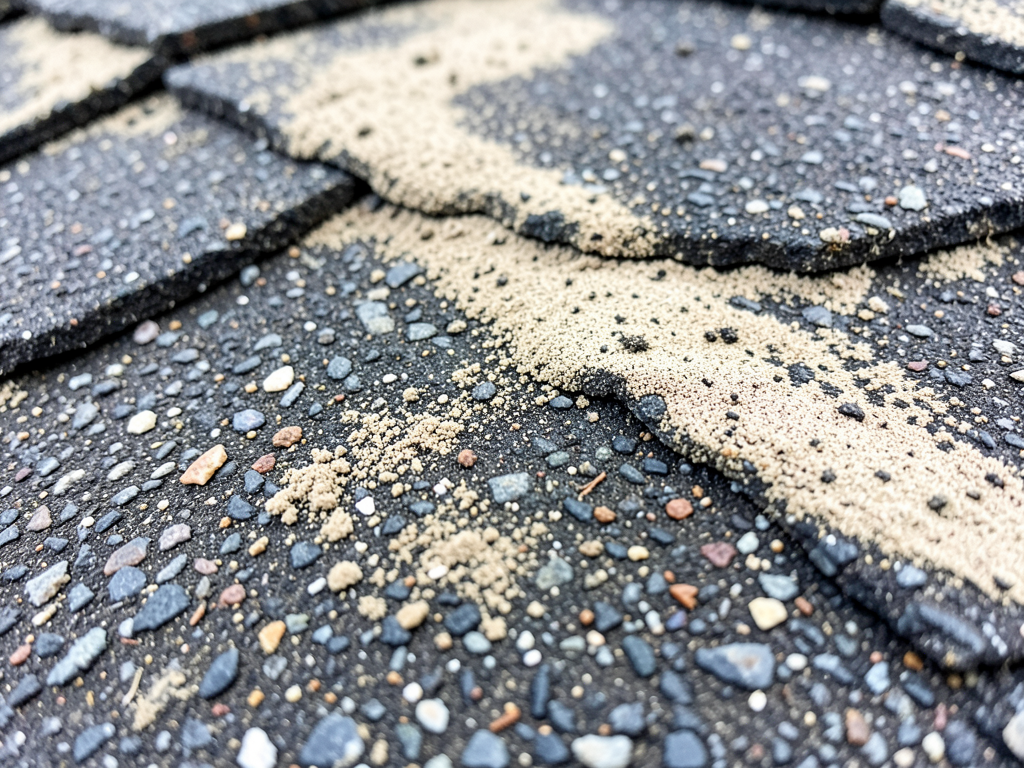
Dealing with Extra Wear and Tear on Hegewisch Roofs Near Industrial Areas
If you live in Hegewisch near Chicago’s industrial corridor, your roof faces unique challenges that homeowners in other neighborhoods never experience. The airborne particulates from nearby steel mills, refineries, and industrial facilities settle on your roof daily, creating chemical reactions and physical damage that accelerate wear far beyond normal weather exposure. Why More Naperville Homeowners are Switching to Metal Roofing This Year.
Petcoke dust, iron oxide particles, and other industrial byproducts don’t just sit on your roof surface. These materials actively corrode metal components, degrade asphalt shingles through abrasive action, and clog drainage systems. The problem intensifies during summer months when Chicago’s humidity combines with industrial dust to create a corrosive paste that eats through protective coatings.
Understanding these specific threats is the first step toward protecting your home. The solutions require specialized cleaning methods and protective treatments that differ significantly from standard roof maintenance. This guide breaks down exactly what’s happening to your roof and what you can do about it.
Why Hegewisch Roofs Face Unique Challenges from Industrial Particulates
Hegewisch sits in Chicago’s 10th Ward, directly downwind from the Calumet industrial corridor. The prevailing southwest winds carry fine particulates from the steel mills, petroleum refineries, and manufacturing plants along the Indiana border. These particles travel through the air and settle on every surface in the neighborhood.
The industrial dust in Hegewisch isn’t just dirt. Petcoke particles from petroleum refining are highly alkaline with a pH around 10.5. When these particles mix with rainwater, they create a chemical solution that can dissolve protective coatings on metal flashings and gutters within months. Iron oxide particles from steel production create rust stains and accelerate corrosion on any exposed metal surface.
During summer storms, the problem compounds. Heavy rain washes industrial dust into your gutters, where it combines with organic debris to form a thick sludge. This sludge can weigh up to 10 pounds per square foot when saturated, putting enormous stress on your roof’s drainage system. The weight alone can cause gutters to pull away from fascia boards or collapse entirely.. Read more about How to Tell if Your Garfield Ridge Roof Has Real Storm Damage or Just Normal Wear and Tear.
The chemical composition of industrial dust also affects different roofing materials in specific ways. Asphalt shingles lose their protective granules when exposed to alkaline dust. EPDM rubber membranes develop surface pitting. Metal roofs experience accelerated galvanic corrosion, especially where different metals meet at flashing points. Is Solar Roofing Worth the Investment for Homes in Evanston?.
Common Types of Industrial Dust Damage (Petcoke, Slag, and Iron)
The industrial dust affecting Hegewisch roofs falls into three main categories, each causing distinct types of damage. Understanding these differences helps you identify problems early and choose the right cleaning and protection methods.
Chemical Corrosion of Metal Flashings and Gutters
Metal components on your roof face the most immediate threat from industrial dust. Aluminum flashings around chimneys and vents develop white, chalky deposits within months of exposure to alkaline dust. These deposits are actually aluminum oxide forming as the metal corrodes.
Copper flashings turn green and develop rough, pitted surfaces. The corrosion process accelerates when industrial dust combines with Chicago’s high humidity. What might take years in a normal environment can happen in months in Hegewisch.
Gutters made from galvanized steel show orange rust spots within a single season. The rust spreads underneath paint coatings, causing them to bubble and peel. Once rust penetrates the protective zinc coating, the steel deteriorates rapidly.
Professional roofers in Hegewisch use specialized testing methods to assess corrosion damage. We scrape a small area of flashing with a screwdriver. If the metal feels rough or flakes away, corrosion has already compromised the integrity. This simple test helps determine whether repair or replacement is needed. EPA industrial air pollution standards.
Granule Loss and Abrasive Wear on Asphalt Shingles
Asphalt shingles rely on ceramic granules for UV protection and weather resistance. Industrial dust acts like sandpaper, gradually wearing away these protective granules. You’ll notice this damage when you see bald spots on your shingles or find granules in your gutters.
The abrasive action is particularly severe during summer months. When industrial dust mixes with morning dew, it creates a mildly abrasive paste that moves across your roof with every breeze. This constant grinding action removes granules faster than normal weathering would.
Once granules are gone, the asphalt base becomes vulnerable to UV damage. The shingles dry out, crack, and curl at the edges. This damage typically appears first on the windward side of your roof where industrial dust accumulates most heavily.
Professional inspection involves checking for uniform granule coverage. We use a moisture meter to test for underlying water damage, since granule loss often indicates compromised waterproofing. Shingles showing more than 25% granule loss need replacement within 1-2 years. Extending the Life of Your Flat Roof in Hyde Park with Professional Coating.
The Hidden Danger: Drainage Clogs and Weight Loading
Industrial dust creates drainage problems that most homeowners never anticipate. Standard roof maintenance focuses on leaves and organic debris, but industrial particulates create a different type of blockage that standard cleaning methods don’t address.
Petcoke dust and iron oxide particles are much finer than typical debris. They pass through standard gutter screens and accumulate in downspouts. When wet, these particles form a cement-like sludge that completely blocks water flow. During heavy rain, water backs up under shingles or overflows behind fascia boards.
The weight of industrial dust accumulation is substantial. A standard roof in Hegewisch collects 50-100 pounds of industrial particulates annually. When saturated with water, this material can weigh 10-15 pounds per square foot. Most roof structures are designed for 20-30 pounds per square foot of additional load, leaving little margin for error.
Ice dam formation becomes more severe when industrial dust is present. The dust creates rough surfaces that trap ice and snow. During freeze-thaw cycles, water seeps under shingles through gaps created by ice buildup. The combination of extra weight and water infiltration can cause structural damage to roof decking.
Professional roofers use specialized vacuum equipment to remove industrial dust from gutters and downspouts. Standard pressure washing often compacts the dust into a harder, more difficult-to-remove form. Chemical cleaning agents designed for industrial particulates dissolve the cement-like bonds without damaging roofing materials. Roofing Berwyn.
Solutions: Specialized Cleaning vs. Protective Coatings for Industrial Areas
Addressing industrial dust damage requires different approaches than standard roof maintenance. The cleaning methods must remove corrosive materials without spreading them to other parts of your property. Protective coatings must resist both chemical attack and physical abrasion.
Professional cleaning starts with containment. We use drop cloths and vacuum systems to capture dust before it spreads to your siding or landscaping. The cleaning solution contains chelating agents that bind to metal particles, allowing them to be rinsed away without redepositing on other surfaces.
Pressure washing settings matter significantly. Too much pressure drives dust deeper into porous surfaces. Too little pressure leaves corrosive residues behind. We use 1500-2000 PSI with specialized nozzles that create a fan pattern to lift dust without damaging roofing materials.
Chemical cleaning involves applying alkaline-neutralizing solutions that counteract the pH of industrial dust. These solutions typically contain citric acid or specialized industrial cleaners that dissolve mineral deposits without harming roofing materials. The process requires multiple applications and thorough rinsing to prevent chemical residue buildup.
Protective coatings create a barrier between your roof and industrial particulates. Silicon-based coatings repel both water and dust. Ceramic coatings provide UV protection while creating a slick surface that prevents dust adhesion. These coatings typically last 5-7 years in industrial environments, compared to 10-15 years in standard conditions.
Metal component protection involves applying sacrificial coatings that corrode before your flashings do. Zinc-rich primers and epoxy coatings provide the best protection. These coatings must be reapplied every 3-5 years in industrial environments to maintain effectiveness.
Request a Hegewisch-Specific Roof Health Inspection
Don’t wait for visible damage to appear before addressing industrial dust problems. By the time you see rust stains or missing granules, significant damage has already occurred. A professional inspection can identify early warning signs and prevent costly repairs. Getting Your Flat Roof Ready for a Chicago Winter in Wicker Park.
During an inspection, we check for specific indicators of industrial dust damage. We look for white chalky deposits on metal surfaces, uneven granule wear on shingles, and sediment buildup in gutters. We also check for proper attic ventilation, since poor airflow accelerates moisture-related damage in industrial environments.
The inspection includes testing for structural integrity. We check roof decking for soft spots that indicate water infiltration. We examine fascia boards for rot caused by backed-up water. We also inspect your home’s exterior for dust accumulation patterns that indicate roof drainage problems.
Based on inspection results, we provide specific recommendations. These might include targeted cleaning of problem areas, application of protective coatings, or replacement of severely damaged components. We also provide maintenance schedules tailored to your specific location and the level of industrial exposure your home receives.
Early intervention saves money. Addressing minor corrosion or granule loss costs significantly less than replacing entire roof sections later. Regular maintenance also extends the life of your roof by 5-10 years, providing better return on your initial investment.
Call (773) 599-7055 today to schedule your Hegewisch-specific roof health inspection. Don’t let industrial dust compromise your home’s protection. Our team understands the unique challenges of Southeast Side Chicago roofing and provides solutions that work in your specific environment.
Frequently Asked Questions
How often should I have my Hegewisch roof cleaned?
Homes within 2 miles of industrial facilities need professional cleaning every 12-18 months. Properties closer to steel mills or refineries may need cleaning every 6-12 months. Regular cleaning prevents corrosive buildup and extends roof life by 5-10 years.
Can I use standard pressure washing to remove industrial dust?
Standard pressure washing often compacts industrial dust into a harder, more difficult-to-remove form. Professional cleaning uses specialized chemicals and techniques that dissolve the cement-like bonds without damaging roofing materials. DIY pressure washing can actually worsen the problem.
Will my homeowner’s insurance cover industrial dust damage?
Most standard policies don’t cover damage from atmospheric pollutants or industrial fallout. However, if you can document that industrial dust accelerated damage beyond normal wear, you may have coverage for resulting water damage. Keep records of cleaning and maintenance for insurance purposes.
What protective coating works best for industrial environments?
Silicon-based or ceramic coatings provide the best protection in industrial areas. These coatings repel both water and dust while resisting chemical corrosion. They typically last 5-7 years in industrial environments compared to 10-15 years in standard conditions.
How much does industrial dust weigh on my roof?
A typical roof in Hegewisch collects 50-100 pounds of industrial particulates annually. When saturated with water, this material can weigh 10-15 pounds per square foot. Most roof structures are designed for 20-30 pounds per square foot of additional load. For more information, visit National Roofing Contractors Association.
You may also find this helpful. Comparing EPDM and TPO for Small Business Owners in West Ridge.
{
“@context”: “https://schema.org”,
“@type”: “BlogPosting”,
“headline”: “Dealing with Extra Wear and Tear on Hegewisch Roofs Near Industrial Areas”,
“description”: “Learn how industrial dust affects Hegewisch roofs. Discover petcoke damage, cleaning solutions, and protective coatings for homes near Chicago’s Southeast Side steel mills.”,
“wordCount”: 1820,
“datePublished”: “2026-04-14T12:02:00.000Z”,
“dateModified”: “2026-04-14T12:02:00.000Z”,
“inLanguage”: “en-US”,
“mainEntityOfPage”: {
“@type”: “WebPage”,
“@id”: “https://patriotroofingchicago.com”
},
“publisher”: {
“@type”: “LocalBusiness”,
“name”: “Patriot Roofing Chicago”,
“url”: “https://patriotroofingchicago.com”
},
“author”: {
“@type”: “Organization”,
“name”: “Patriot Roofing Chicago”,
“url”: “https://patriotroofingchicago.com”
},
“image”: {
“@type”: “ImageObject”,
“url”: “https://patriotroofingchicago.com/wp-content/uploads/2026/03/dealing-with-extra-wear-and-tear-on-hegewisch-roof-1.png”
}
}
{
“@context”: “https://schema.org”,
“@type”: “RoofingContractor”,
“name”: “Patriot Roofing Chicago”,
“url”: “https://patriotroofingchicago.com”,
“address”: {
“@type”: “PostalAddress”,
“addressLocality”: “Chicago”
},
“areaServed”: {
“@type”: “City”,
“name”: “Chicago”
}
}
{
“@context”: “https://schema.org”,
“@type”: “FAQPage”,
“mainEntity”: [
{
“@type”: “Question”,
“name”: “How often should I have my Hegewisch roof cleaned?”,
“acceptedAnswer”: {
“@type”: “Answer”,
“text”: “Homes within 2 miles of industrial facilities need professional cleaning every 12-18 months. Properties closer to steel mills or refineries may need cleaning every 6-12 months. Regular cleaning prevents corrosive buildup and extends roof life by 5-10 years.”
}
},
{
“@type”: “Question”,
“name”: “Can I use standard pressure washing to remove industrial dust?”,
“acceptedAnswer”: {
“@type”: “Answer”,
“text”: “Standard pressure washing often compacts industrial dust into a harder, more difficult-to-remove form. Professional cleaning uses specialized chemicals and techniques that dissolve the cement-like bonds without damaging roofing materials. DIY pressure washing can actually worsen the problem.”
}
},
{
“@type”: “Question”,
“name”: “Will my homeowner’s insurance cover industrial dust damage?”,
“acceptedAnswer”: {
“@type”: “Answer”,
“text”: “Most standard policies don’t cover damage from atmospheric pollutants or industrial fallout. However, if you can document that industrial dust accelerated damage beyond normal wear, you may have coverage for resulting water damage. Keep records of cleaning and maintenance for insurance purposes.”
}
},
{
“@type”: “Question”,
“name”: “What protective coating works best for industrial environments?”,
“acceptedAnswer”: {
“@type”: “Answer”,
“text”: “Silicon-based or ceramic coatings provide the best protection in industrial areas. These coatings repel both water and dust while resisting chemical corrosion. They typically last 5-7 years in industrial environments compared to 10-15 years in standard conditions.”
}
},
{
“@type”: “Question”,
“name”: “How much does industrial dust weigh on my roof?”,
“acceptedAnswer”: {
“@type”: “Answer”,
“text”: “A typical roof in Hegewisch collects 50-100 pounds of industrial particulates annually. When saturated with water, this material can weigh 10-15 pounds per square foot. Most roof structures are designed for 20-30 pounds per square foot of additional load. For more information, visit National Roofing Contractors Association.”
}
}
]
}
{
“@context”: “https://schema.org”,
“@type”: “BreadcrumbList”,
“itemListElement”: [
{
“@type”: “ListItem”,
“position”: 1,
“name”: “Home”,
“item”: “https://patriotroofingchicago.com”
},
{
“@type”: “ListItem”,
“position”: 2,
“name”: “Blog”,
“item”: “https://patriotroofingchicago.com/blog”
},
{
“@type”: “ListItem”,
“position”: 3,
“name”: “Dealing with Extra Wear and Tear on Hegewisch Roofs Near Industrial Areas”
}
]
}
{
“@context”: “https://schema.org”,
“@type”: “Service”,
“serviceType”: “Roofing”,
“provider”: {
“@type”: “LocalBusiness”,
“name”: “Patriot Roofing Chicago”,
“url”: “https://patriotroofingchicago.com”
},
“areaServed”: {
“@type”: “City”,
“name”: “Chicago”
},
“description”: “Learn how industrial dust affects Hegewisch roofs. Discover petcoke damage, cleaning solutions, and protective coatings for homes near Chicago’s Southeast Side steel mills.”
}