
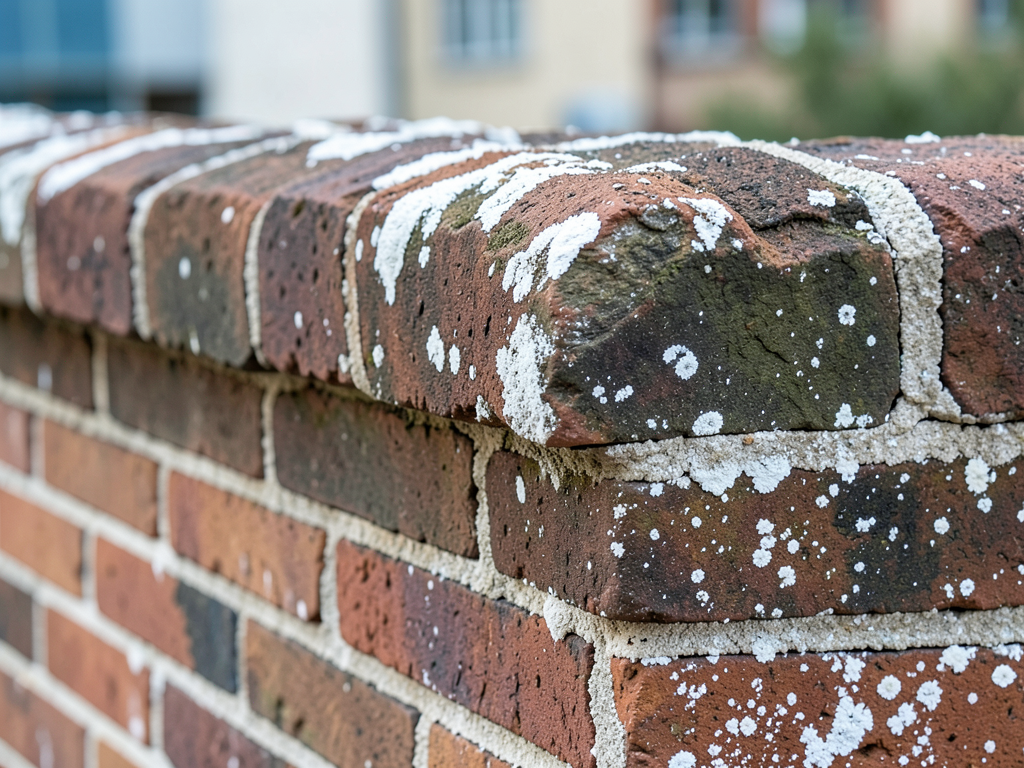
Dealing with Crumbling Parapet Walls on Your Rogers Park Multi-Unit Building
Parapet walls are the exposed sections of masonry that rise above your roofline on Rogers Park multi-unit buildings. These structures face constant abuse from Chicago’s brutal freeze-thaw cycles and lake-effect moisture. When parapet walls start crumbling, water infiltration becomes inevitable, threatening both your roof system and interior spaces. Chicago Building Permits.
In Rogers Park, parapet failure often begins with hairline cracks in the common brick facade. These cracks allow water to penetrate deep into the masonry. During winter, that trapped moisture expands as it freezes, creating larger fractures. Over time, this freeze-thaw damage causes bricks to spall, mortar joints to deteriorate, and coping stones to shift or crack.. Read more about Fixing Common Terrace Leaks in Streeterville Penthouses Before Water Hits Your Living Room.
The problem compounds quickly. Once water breaches the parapet, it travels down through the wall assembly, saturating insulation and ceiling materials below. Many Rogers Park property owners discover parapet damage only after tenants report water stains on upper-floor ceilings or after a heavy rainstorm reveals active leaks.
Addressing parapet wall deterioration requires understanding both the masonry restoration and roofing integration. The parapet serves as the critical transition point between your building’s exterior walls and roof membrane. When this junction fails, water finds the path of least resistance into your building. Is Solar Roofing Worth the Investment for Homes in Evanston?.
Common Causes of Parapet Failure in Rogers Park
Chicago’s climate creates unique challenges for parapet walls. The constant temperature swings between summer humidity and winter cold cause materials to expand and contract at different rates. Rogers Park’s proximity to Lake Michigan means buildings experience higher moisture exposure than inland areas.. Read more about Solving Unique Drainage Challenges for Historic Loft Buildings in Printers Row.
Several factors contribute to parapet deterioration in Rogers Park multi-unit buildings:
- Age of construction – Many Rogers Park buildings date to the 1920s-1950s with original masonry that has never been restored
- Improper original design – Missing or inadequate through-wall flashing allows water to saturate wall cavities
- Settlement issues – Chicago’s clay soil causes gradual building movement that cracks parapet joints
- Lack of maintenance – Missing annual inspections let minor issues become major structural problems
Through-wall flashing represents one of the most critical components in parapet construction. This continuous metal membrane runs through the wall at the roofline, directing water outward. When flashing fails due to corrosion or improper installation, water accumulates inside the wall cavity, accelerating deterioration from within.
Warning Signs Your Parapet Needs Immediate Attention
Early detection prevents costly structural damage. Watch for these indicators that your Rogers Park parapet requires professional evaluation: Extending the Life of Your Flat Roof in Hyde Park with Professional Coating.
Visual deterioration – Spalling bricks show surface flaking where water has penetrated and frozen. You’ll notice brick faces literally popping off, exposing the softer inner core. This creates entry points for more moisture infiltration.
Efflorescence – White, powdery deposits on brick surfaces indicate water movement through the masonry. These mineral deposits form when dissolved salts migrate to the surface during evaporation. While efflorescence itself isn’t structurally damaging, it signals active moisture problems.
Coping stone issues – The limestone or terra cotta coping stones along the parapet top should shed water away from the wall. Cracked, shifted, or missing coping stones allow water to enter the parapet core. Check for horizontal cracks or stones that rock when pressed.
Flashing failures – Examine the roof-to-wall junction where counter-flashing should cover the base flashing. Missing or rusted counter-flashing creates direct water entry paths. You might see rusted metal edges or gaps where flashing has pulled away from the wall.
Interior water damage – Water stains on upper-floor ceilings often trace back to parapet leaks. The water travels down through wall cavities, emerging far from the actual entry point. This makes diagnosis challenging without professional inspection.
Our Comprehensive Parapet Restoration Process
Effective parapet repair requires systematic assessment and restoration. Our process addresses both visible damage and underlying causes to provide lasting protection for your Rogers Park building.
Initial assessment and moisture mapping – We use moisture meters to detect water saturation levels throughout the parapet. This diagnostic step identifies hidden damage that visual inspection might miss. We document all findings with photos and moisture readings to create a complete repair plan.
Structural evaluation – Crumbling parapets sometimes indicate deeper structural issues. We assess whether lintels above windows or doors have failed, causing wall sagging that stresses the parapet. This evaluation determines if additional structural repairs are needed before masonry restoration.
Masonry removal and replacement – Damaged bricks and mortar joints require careful removal to avoid damaging sound surrounding masonry. We match replacement bricks to your building’s original Chicago common brick in color, size, and texture. New mortar uses lime-based mixes that flex with temperature changes rather than rigid portland cement that cracks.
Through-wall flashing installation – Proper flashing represents the most critical repair element. We install continuous stainless steel or copper flashing that extends from the exterior wall face through to the interior. The flashing includes end dams and weeps to direct water outward. This installation follows Chicago Building Code requirements for commercial structures.
Coping stone restoration – We reset loose coping stones using high-strength mortar and stainless steel anchors. For severely damaged coping, we recommend replacement with properly sloped limestone that sheds water away from the wall face. All coping joints receive waterproofing sealant to prevent water infiltration.
Roof integration – The parapet repair connects directly to your roof system. We ensure proper counter-flashing installation that creates a watertight seal between the new masonry and existing roof membrane. This integration prevents the most common failure point in parapet repairs.
Masonry & Tuckpointing Services
Tuckpointing restores the mortar joints between bricks to their original strength and weather resistance. In Rogers Park’s climate, standard portland cement mortar often fails within decades. We use custom mortar mixes formulated for your building’s age and exposure conditions.
Our tuckpointing process removes deteriorated mortar to a depth of 3/4 to 1 inch, ensuring adequate bonding for new material. We match the original mortar’s compressive strength and permeability to maintain the wall’s intended performance characteristics. This prevents the mortar from being stronger than the bricks, which causes spalling.
Color matching presents particular challenges with Chicago common brick. We create custom mortar tints that blend seamlessly with your building’s existing joints. This attention to detail ensures repairs remain visually undetectable from street level.
Coping Stone Replacement & Flashing
Coping stones serve as the parapet’s first line of defense against water infiltration. Original limestone coping on Rogers Park buildings often deteriorates from freeze-thaw cycling and acid rain exposure. We evaluate whether repair or replacement offers the better long-term solution.
New coping installation includes proper slope toward the exterior to prevent water pooling. We install continuous flashing beneath the coping stones to create a secondary water barrier. This flashing extends beyond the parapet face and turns down to direct water away from the wall.
Metal coping offers an alternative to traditional limestone. Pre-finished metal coping provides superior durability and requires minimal maintenance. We install continuous cleats and expansion joints to accommodate building movement without causing stress cracks.
Chicago Building Code Compliance for Parapet Walls
Chicago Municipal Code Section 13-32-010 requires parapet walls on buildings exceeding 25 feet in height to extend at least 36 inches above the roof surface. This height requirement ensures proper containment of roof materials and provides adequate clearance for maintenance access.
Section 13-32-010 also mandates that parapets on buildings over three stories must be structurally reinforced. This reinforcement typically involves grouted cells or steel lintels to prevent wind-induced movement. Many older Rogers Park buildings lack this reinforcement, making them vulnerable to parapet failure during high winds.
The Chicago Building Department requires permits for parapet repairs exceeding 25 square feet of masonry replacement. Our team handles all permit applications and inspections, ensuring your project complies with current codes. We provide engineered drawings when structural reinforcement becomes necessary.
Life Safety inspections often trigger parapet repairs. The city requires these inspections every five years for buildings over 80 feet tall. During these inspections, engineers evaluate parapet condition and may mandate immediate repairs for deteriorated sections that pose falling hazards.
Service Areas: Rogers Park and Surrounding North Side Neighborhoods
We serve Rogers Park and the broader North Side Chicago area where historic multi-unit buildings face similar parapet challenges. Our service area includes Edgewater, where lakefront exposure accelerates masonry deterioration, and Uptown, with its concentration of early 20th-century apartment buildings.
In Andersonville, we frequently encounter parapet issues on Swedish-built brick buildings that used softer clay bricks than later Chicago construction. These buildings require specialized mortar formulations that accommodate the bricks’ lower compressive strength.
Lincoln Square presents unique challenges with its mix of frame and masonry construction. Parapet failures here often involve wood framing deterioration behind the brick veneer, requiring integrated structural and masonry repairs.
Our team understands the specific building patterns in each neighborhood. Rogers Park’s development boom in the 1920s created many buildings with similar parapet configurations. This familiarity allows us to anticipate common failure points and address them proactively during repairs.
Cost Factors and Investment Protection
Parapet repair costs vary significantly based on damage extent, building access, and required permits. Minor tuckpointing might cost $15-25 per square foot, while complete parapet restoration with structural reinforcement could range from $50-100 per square foot.
Several factors influence your project’s final cost:
- Scaffolding requirements – Chicago’s narrow lot sizes often require sidewalk permits and protective canopies for pedestrian safety
- Material matching – Custom brick and mortar matching adds to material costs but ensures visual consistency
- Structural repairs – Failed lintels or wall anchors increase complexity and labor hours
- Roof integration – Coordinating with roofers for membrane replacement adds coordination costs but prevents future leaks
Investing in quality parapet restoration protects your building’s value and prevents more expensive interior damage. Water infiltration through failed parapets causes mold growth, ceiling collapse, and electrical system damage that far exceeds masonry repair costs.
Many Rogers Park property owners find that parapet repairs improve energy efficiency by eliminating drafts through cracked mortar joints. This unexpected benefit often offsets a portion of the repair investment through reduced heating costs.
Why Choose Professional Parapet Restoration
Parapet repair requires specialized knowledge that general contractors often lack. The integration between masonry, roofing, and waterproofing demands understanding how these systems interact. Improper repairs frequently cause more damage than the original problem. Roofing Berwyn.
Our team brings 15+ years of experience specifically with Chicago’s building stock. We understand how Rogers Park’s lakefront exposure affects material performance and can recommend solutions proven effective in this microclimate. Our familiarity with local building inspectors and permit processes ensures smooth project execution.
We provide detailed written proposals that outline the specific repairs needed, materials to be used, and warranty coverage. Our proposals include photos of your building’s current condition and clear explanations of recommended repairs. This transparency helps you make informed decisions about protecting your investment.
Professional parapet restoration also maintains your building’s compliance with Chicago’s Life Safety inspection requirements. We document all repairs with photos and material specifications that satisfy inspector requirements and provide you with complete records for future reference.
Don’t wait for water damage to force emergency repairs. Call (773) 599-7055 today to schedule your parapet inspection. Our team will assess your building’s condition and provide a comprehensive repair plan that addresses both visible damage and underlying causes. Protect your Rogers Park property before the next storm hits.
Frequently Asked Questions
How long does parapet repair typically take?
Most parapet restoration projects in Rogers Park require 2-4 weeks from start to finish. This timeframe includes permit acquisition, material delivery, masonry work, and final inspections. Weather conditions can extend the schedule, particularly during Chicago’s winter months.
Will parapet repairs disrupt my tenants?
We minimize tenant disruption through careful planning and communication. Scaffolding installation requires advance notice, but most masonry work generates minimal noise. We coordinate material deliveries during off-peak hours and maintain clean work areas throughout the project.
Can I repair only the visibly damaged sections?
Spot repairs often create more problems than they solve. Water follows the path of least resistance, so surrounding sound masonry frequently harbors hidden moisture damage. We recommend comprehensive assessment to identify all problem areas before beginning repairs.
What warranty do you provide on parapet repairs?
We provide a 5-year warranty on all masonry work and a 10-year warranty on through-wall flashing installation. This warranty covers material defects and workmanship errors. Proper maintenance and prompt attention to new issues extends the effective life of your repairs. For more information, visit National Park Service Preservation Briefs.
{
“@context”: “https://schema.org”,
“@type”: “BlogPosting”,
“headline”: “Dealing with Crumbling Parapet Walls on Your Rogers Park Multi-Unit Building”,
“description”: “Cracked parapet walls in Rogers Park can cause major leaks. Learn how Chicago’s freeze-thaw cycles damage masonry and how to fix it before it gets worse.”,
“wordCount”: 2084,
“datePublished”: “2026-04-18T10:56:00.000Z”,
“dateModified”: “2026-04-18T10:56:00.000Z”,
“inLanguage”: “en-US”,
“mainEntityOfPage”: {
“@type”: “WebPage”,
“@id”: “https://patriotroofingchicago.com”
},
“publisher”: {
“@type”: “LocalBusiness”,
“name”: “Patriot Roofing Chicago”,
“url”: “https://patriotroofingchicago.com”
},
“author”: {
“@type”: “Organization”,
“name”: “Patriot Roofing Chicago”,
“url”: “https://patriotroofingchicago.com”
},
“image”: {
“@type”: “ImageObject”,
“url”: “https://patriotroofingchicago.com/wp-content/uploads/2026/03/dealing-with-crumbling-parapet-walls-on-your-roger-1.png”
}
}
{
“@context”: “https://schema.org”,
“@type”: “RoofingContractor”,
“name”: “Patriot Roofing Chicago”,
“url”: “https://patriotroofingchicago.com”,
“address”: {
“@type”: “PostalAddress”,
“addressLocality”: “Chicago”
},
“areaServed”: {
“@type”: “City”,
“name”: “Chicago”
}
}
{
“@context”: “https://schema.org”,
“@type”: “FAQPage”,
“mainEntity”: [
{
“@type”: “Question”,
“name”: “How long does parapet repair typically take?”,
“acceptedAnswer”: {
“@type”: “Answer”,
“text”: “Most parapet restoration projects in Rogers Park require 2-4 weeks from start to finish. This timeframe includes permit acquisition, material delivery, masonry work, and final inspections. Weather conditions can extend the schedule, particularly during Chicago’s winter months.”
}
},
{
“@type”: “Question”,
“name”: “Will parapet repairs disrupt my tenants?”,
“acceptedAnswer”: {
“@type”: “Answer”,
“text”: “We minimize tenant disruption through careful planning and communication. Scaffolding installation requires advance notice, but most masonry work generates minimal noise. We coordinate material deliveries during off-peak hours and maintain clean work areas throughout the project.”
}
},
{
“@type”: “Question”,
“name”: “Can I repair only the visibly damaged sections?”,
“acceptedAnswer”: {
“@type”: “Answer”,
“text”: “Spot repairs often create more problems than they solve. Water follows the path of least resistance, so surrounding sound masonry frequently harbors hidden moisture damage. We recommend comprehensive assessment to identify all problem areas before beginning repairs.”
}
},
{
“@type”: “Question”,
“name”: “What warranty do you provide on parapet repairs?”,
“acceptedAnswer”: {
“@type”: “Answer”,
“text”: “We provide a 5-year warranty on all masonry work and a 10-year warranty on through-wall flashing installation. This warranty covers material defects and workmanship errors. Proper maintenance and prompt attention to new issues extends the effective life of your repairs. For more information, visit National Park Service Preservation Briefs.”
}
}
]
}
{
“@context”: “https://schema.org”,
“@type”: “BreadcrumbList”,
“itemListElement”: [
{
“@type”: “ListItem”,
“position”: 1,
“name”: “Home”,
“item”: “https://patriotroofingchicago.com”
},
{
“@type”: “ListItem”,
“position”: 2,
“name”: “Blog”,
“item”: “https://patriotroofingchicago.com/blog”
},
{
“@type”: “ListItem”,
“position”: 3,
“name”: “Dealing with Crumbling Parapet Walls on Your Rogers Park Multi-Unit Building”
}
]
}
{
“@context”: “https://schema.org”,
“@type”: “Service”,
“serviceType”: “Roofing”,
“provider”: {
“@type”: “LocalBusiness”,
“name”: “Patriot Roofing Chicago”,
“url”: “https://patriotroofingchicago.com”
},
“areaServed”: {
“@type”: “City”,
“name”: “Chicago”
},
“description”: “Cracked parapet walls in Rogers Park can cause major leaks. Learn how Chicago’s freeze-thaw cycles damage masonry and how to fix it before it gets worse.”
}