
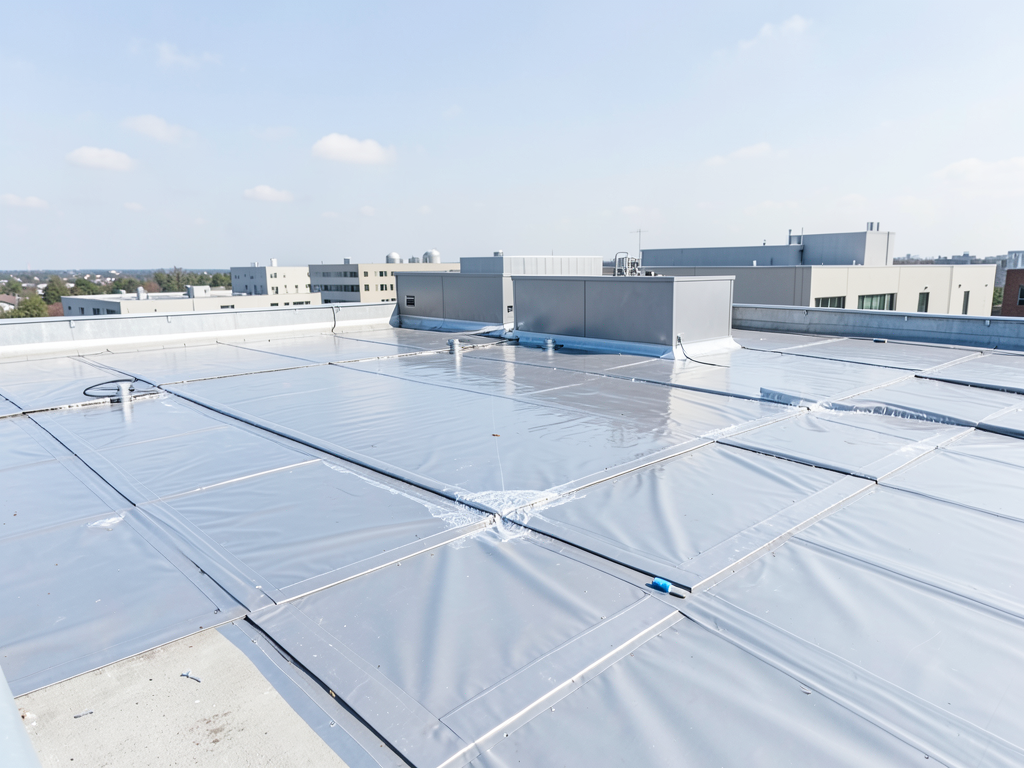
Finding the Best Flat Roof Material for Commercial Kitchens in Greektown
Restaurant owners along Halsted Street need specialized flat roof systems designed specifically for food service environments. The combination of high-heat exhaust systems, grease vapor, and heavy rooftop equipment creates conditions that destroy typical roofing materials within months. Greektown’s Mediterranean cooking methods produce grease-laden steam that rises through exhaust hoods and condenses on roof surfaces, degrading standard TPO and EPDM membranes. Is Solar Roofing Worth the Investment for Homes in Evanston?.
Selecting the right flat roof material requires understanding how different membranes react to grease, heat, and the specific Chicago climate conditions that affect Greektown buildings. The wrong choice can lead to constant leaks, health code violations, and thousands in lost revenue during emergency repairs. Chicago Department of Buildings.
Why Commercial Kitchen Roofs in Greektown Need Special Materials
Restaurant roofing differs fundamentally from standard commercial roofing due to the chemical composition of kitchen exhaust. When meat cooks on open flames or in high-temperature ovens, grease particles become aerosolized and travel through exhaust systems. These particles cool and condense on roof surfaces, creating a sticky, acidic residue that breaks down most roofing membranes. Roofing Berwyn.
The 60607 zip code area experiences additional challenges from the West Loop’s dense restaurant concentration. Multiple exhaust systems create a cumulative effect where grease vapor from neighboring businesses settles on your roof. This shared environmental factor makes Greektown restaurant roofs particularly vulnerable to membrane degradation.. Read more about Comparing EPDM and TPO for Small Business Owners in West Ridge.
Chicago’s freeze-thaw cycles compound the problem. When grease-saturated roofing materials freeze, the expansion creates cracks and separation from the substrate. During thaws, water penetrates these cracks and freezes again, causing progressive damage that accelerates membrane failure. Chicago Building Code.
Best Flat Roof Materials for Restaurant Kitchens
PVC Roofing Membranes for Grease Resistance
PVC (polyvinyl chloride) roofing membranes offer the best resistance to grease and chemical damage for commercial kitchens. The material’s molecular structure creates a non-porous surface that prevents grease penetration and resists chemical breakdown. High-quality PVC membranes contain additives specifically formulated to withstand kitchen exhaust contaminants. Roofing Forest Park.
Commercial-grade PVC roofing typically comes in 60-80 mil thickness, providing superior durability compared to standard residential materials. The heat-welded seams create a monolithic surface without weak points where grease can penetrate. This construction method eliminates the failure points common in mechanically fastened systems.
Installation requires specialized equipment and trained technicians familiar with restaurant-specific challenges. The welding process must achieve precise temperature control to ensure proper seam fusion without damaging the membrane. Poor installation can create weak spots that fail under grease exposure.
TPO Roofing for Energy Efficiency
TPO (thermoplastic polyolefin) roofing provides excellent energy efficiency for restaurants seeking to reduce cooling costs. The white reflective surface reduces heat absorption by up to 80%, significantly lowering air conditioning expenses in kitchen-heavy buildings. However, standard TPO lacks the grease resistance needed for direct kitchen exhaust exposure.
Modified TPO systems with grease-resistant coatings offer a compromise between energy efficiency and chemical resistance. These systems apply a specialized top layer that protects the underlying TPO membrane from grease damage while maintaining reflective properties. The coating typically requires reapplication every 5-7 years depending on exhaust volume.
Energy savings from TPO roofing can offset the higher initial material costs within 3-5 years of operation. Restaurants in Greektown benefit from reduced cooling loads during Chicago’s humid summers when kitchen equipment runs continuously.
Modified Bitumen for Budget-Conscious Operations
Modified bitumen roofing provides a cost-effective solution for restaurants with limited budgets or lower grease exposure. The multi-layer construction includes a base sheet, modified bitumen cap sheet, and protective surfacing. While less resistant to grease than PVC, quality modified bitumen systems can last 15-20 years with proper maintenance.
Grease-resistant modified bitumen incorporates specialized asphalt formulations that better withstand chemical exposure. These systems cost 15-20% more than standard modified bitumen but provide significantly improved performance in restaurant environments. The additional investment often pays for itself through extended service life.
Installation requires careful attention to detail around exhaust penetrations and equipment curbs. Improper flashing details create leak paths that allow grease and water infiltration, leading to premature failure regardless of membrane quality.
Chicago Building Code Requirements for Restaurant Roofs
Chicago Municipal Code Section 13-12-040 mandates specific requirements for commercial kitchen roofing systems. Restaurants must install Class A fire-rated roofing materials when exhaust equipment is present on the roof. This requirement eliminates many standard flat roof options and increases material costs by 25-30%.
The Chicago Department of Buildings requires engineered drawings for restaurant roofing projects, including calculations for wind uplift, live loads, and thermal movement. These calculations must account for the additional weight of grease-resistant coatings and any rooftop equipment modifications.
NFPA 96 standards govern commercial kitchen ventilation and directly impact roofing requirements. The standard mandates minimum clearance between exhaust hoods and combustible roofing materials. Restaurants must either install non-combustible roofing or maintain specific clearance distances, affecting both material selection and installation methods. NFPA 96 Standards.
Permit processing through the City of Chicago typically takes 3-4 weeks for restaurant roofing projects. Expedited permits are available for emergency repairs but require documentation of active leaks or code violations. Planning ahead prevents costly delays during peak business seasons. What to Do When You Have a Roof Leak Emergency in Logan Square.
Installation Considerations for Greektown Restaurants
Greektown’s historic character creates unique installation challenges for restaurant owners. Many buildings along Halsted Street predate modern building codes, requiring structural assessments before installing new roofing systems. Older buildings may need roof deck reinforcement to support modern membrane weights and equipment loads.
Street parking limitations in the 60607 area affect material delivery and equipment staging. Roofing contractors must coordinate with the City of Chicago for temporary No Parking signs and often work during off-peak hours to minimize business disruption. These logistics considerations can add 15-20% to project timelines.. Read more about How to Prepare the Roof of Your Forest Park Business for Heavy Snow Loads Before Winter Hits.
Noise regulations in the West Loop area restrict construction hours, particularly for restaurants with outdoor seating or nearby residential buildings. Work typically occurs between 8 AM and 5 PM on weekdays, though some projects require weekend work with special permits. Planning installation during slower business periods prevents revenue loss.
Roof access presents another challenge in Greektown’s older buildings. Many restaurants lack dedicated roof access points, requiring contractors to create temporary openings or use cranes for material hoisting. These access solutions increase project costs but may be necessary for buildings with limited interior access.
Maintenance Requirements for Restaurant Roofing Systems
Commercial kitchen roofs require more frequent maintenance than standard commercial buildings. Monthly inspections should check for grease accumulation, membrane damage, and flashing integrity. Early detection of problems prevents costly emergency repairs and business interruptions.
Grease removal from roof surfaces requires specialized cleaning methods that won’t damage roofing materials. High-pressure washing can force water under seams and damage protective coatings. Professional cleaning services use low-pressure systems and degreasing agents specifically formulated for roofing applications. Extending the Life of Your Flat Roof in Hyde Park with Professional Coating.
Seasonal maintenance becomes critical in Chicago’s climate. Fall inspections prepare roofs for winter snow loads, while spring assessments identify damage from freeze-thaw cycles. Restaurants should budget 2-3% of roof replacement cost annually for maintenance to maximize system lifespan.
Documentation of maintenance activities helps with warranty claims and insurance purposes. Keep records of cleaning dates, inspection findings, and repairs performed. This documentation proves due diligence in case of damage claims or code inspections.
Cost Comparison of Restaurant Roofing Materials
| Material Type | Initial Cost per Square Foot | Expected Lifespan | Grease Resistance | Energy Efficiency | Maintenance Frequency |
|---|---|---|---|---|---|
| PVC (Commercial Grade) | $8.50 – $12.00 | 20-25 years | Excellent | Good | Monthly |
| TPO with Coating | $6.50 – $9.00 | 15-20 years | Good | Excellent | Monthly |
| Modified Bitumen | $4.50 – $7.00 | 15-20 years | Fair | Fair | Monthly |
| EPDM (Standard) | $4.00 – $6.50 | 10-15 years | Poor | Poor | Monthly |
Material costs represent installed pricing including removal of existing roofing. Premium PVC systems cost more initially but provide the best long-term value for restaurants with high grease exposure. The extended lifespan and reduced maintenance requirements often offset the higher upfront investment.
Common Failure Points in Restaurant Roofing Systems
Understanding where restaurant roofs typically fail helps prevent costly repairs. The most vulnerable areas include exhaust hood penetrations, equipment curbs, and membrane seams. These locations experience the highest stress from temperature changes, grease exposure, and mechanical movement.
Exhaust hood flashings represent the primary failure point in restaurant roofing. Standard flashing methods cannot withstand continuous grease exposure and thermal cycling. Specialized termination bars and reinforced boots provide better protection but cost 30-40% more than standard flashing.
Membrane seams in restaurant environments fail when grease penetrates the weld area. Even high-quality PVC seams can fail if installation quality is poor or if the membrane lacks proper chemical resistance. Regular seam inspections and prompt repairs prevent water infiltration and structural damage.
Roof drains and scuppers in restaurant buildings clog more frequently due to grease accumulation. Secondary drainage systems provide backup protection but increase installation costs. Without proper drainage, standing water accelerates membrane degradation and creates slip hazards for maintenance personnel.
Emergency Repair Procedures for Restaurant Owners
Roof leaks in commercial kitchens require immediate attention to prevent food contamination and equipment damage. Establish an emergency response plan that includes temporary containment methods and rapid contractor notification. Every hour of delay can result in thousands in lost inventory and equipment repairs.
Temporary containment typically involves placing plastic sheeting under the leak area and using buckets or specialized containment units for active drips. This prevents contamination of food preparation surfaces and protects expensive kitchen equipment. Never allow water to contact open food or preparation areas.
Emergency tarping provides temporary protection until permanent repairs can be made. Professional roofers use specialized fasteners that won’t damage roofing materials or create new leak paths. DIY tarping often causes more damage than the original leak.
Health department regulations require immediate action when roof leaks affect food preparation areas. Document all emergency procedures and communicate with inspectors about remediation plans. Proactive communication prevents citations and demonstrates commitment to food safety.
Selecting a Roofing Contractor for Your Restaurant
Not all roofing contractors have experience with commercial kitchen installations. Look for contractors with specific restaurant experience, proper insurance coverage, and familiarity with Chicago building codes. Request references from other restaurant owners in Greektown or the West Loop area.
Verify contractor licensing through the City of Chicago Department of Buildings. Restaurant roofing requires additional certifications beyond standard roofing licenses, particularly for work involving fire-rated materials and kitchen exhaust systems. Unlicensed work can void warranties and create liability issues.
Insurance coverage should include general liability, workers’ compensation, and commercial auto insurance. Restaurant owners should verify coverage amounts and request certificates naming their business as an additional insured. This protection prevents liability for contractor accidents on your property.
Project timelines for restaurant roofing typically range from 2-4 weeks depending on building complexity and material availability. Weather delays are common in Chicago, so build flexibility into your scheduling. Contractors should provide detailed schedules and communicate any changes promptly.
Frequently Asked Questions
How long does restaurant roof installation take?
Most restaurant roof installations in Greektown take 2-4 weeks from start to finish. This includes material delivery, old roof removal, installation, and final inspections. Weather delays and building access issues can extend timelines, so plan accordingly.
What’s the best roofing material for a Greek restaurant?
PVC roofing provides the best performance for Greek restaurants due to high grease resistance and durability. The material withstands the heavy grease exposure from grilled meats and high-temperature ovens common in Mediterranean cooking. While more expensive initially, PVC offers the best long-term value.
Do I need special permits for restaurant roofing in Chicago?
Yes, Chicago requires building permits for all commercial roofing projects, with additional requirements for restaurants. You’ll need engineered drawings, fire safety approvals, and compliance with NFPA 96 standards. Permit processing typically takes 3-4 weeks.
How often should restaurant roofs be inspected?
Restaurant roofs need monthly inspections to check for grease accumulation, membrane damage, and drainage issues. Seasonal inspections before winter and after spring thaw help identify climate-related damage. Professional inspections should occur annually.
Can I install roofing during restaurant operating hours?
Roofing work during operating hours is possible but requires careful planning to minimize disruption. Noise, odors, and safety concerns must be addressed. Many restaurants schedule roofing work during off-peak seasons or after hours when feasible.
Protect Your Restaurant Investment
Choosing the right flat roof material for your Greektown restaurant requires balancing upfront costs with long-term performance and maintenance requirements. The unique challenges of commercial kitchen environments demand specialized solutions that standard roofing materials cannot provide.
Consider your specific cooking methods, exhaust volume, and budget when selecting roofing materials. PVC offers the best protection for high-grease environments, while modified bitumen provides a more budget-friendly option for restaurants with lower grease exposure. Energy efficiency considerations may favor TPO systems with protective coatings.
Professional installation and regular maintenance maximize your roofing investment and prevent costly emergency repairs. Work with contractors experienced in restaurant roofing who understand the unique challenges of Greektown buildings and Chicago’s building codes.
Don’t wait for a leak to discover your roofing system can’t handle your kitchen’s demands. Schedule a professional assessment today to evaluate your current roof condition and explore material options suited to your specific needs. Call (773) 599-7055 to speak with our restaurant roofing specialists about protecting your Greektown business.
The right roofing system not only prevents water damage but also improves energy efficiency, reduces maintenance costs, and ensures compliance with health and safety regulations. Your restaurant’s success depends on reliable infrastructure, and your roof plays a crucial role in protecting your investment.
{
“@context”: “https://schema.org”,
“@type”: “BlogPosting”,
“headline”: “Finding the Best Flat Roof Material for Commercial Kitchens in Greektown”,
“description”: “Commercial kitchen roofs in Greektown need specialized materials to resist grease, heat, and Chicago’s climate. Learn which flat roof systems work best for restaurants.”,
“wordCount”: 2250,
“datePublished”: “2026-04-11T11:00:00.000Z”,
“dateModified”: “2026-04-11T11:00:00.000Z”,
“inLanguage”: “en-US”,
“mainEntityOfPage”: {
“@type”: “WebPage”,
“@id”: “https://patriotroofingchicago.com”
},
“publisher”: {
“@type”: “LocalBusiness”,
“name”: “Patriot Roofing Chicago”,
“url”: “https://patriotroofingchicago.com”
},
“author”: {
“@type”: “Organization”,
“name”: “Patriot Roofing Chicago”,
“url”: “https://patriotroofingchicago.com”
},
“image”: {
“@type”: “ImageObject”,
“url”: “https://patriotroofingchicago.com/wp-content/uploads/2026/03/finding-the-best-flat-roof-material-for-commercial-1.png”
}
}
{
“@context”: “https://schema.org”,
“@type”: “RoofingContractor”,
“name”: “Patriot Roofing Chicago”,
“url”: “https://patriotroofingchicago.com”,
“address”: {
“@type”: “PostalAddress”,
“addressLocality”: “Chicago”
},
“areaServed”: {
“@type”: “City”,
“name”: “Chicago”
}
}
{
“@context”: “https://schema.org”,
“@type”: “FAQPage”,
“mainEntity”: [
{
“@type”: “Question”,
“name”: “How long does restaurant roof installation take?”,
“acceptedAnswer”: {
“@type”: “Answer”,
“text”: “Most restaurant roof installations in Greektown take 2-4 weeks from start to finish. This includes material delivery, old roof removal, installation, and final inspections. Weather delays and building access issues can extend timelines, so plan accordingly.”
}
},
{
“@type”: “Question”,
“name”: “What’s the best roofing material for a Greek restaurant?”,
“acceptedAnswer”: {
“@type”: “Answer”,
“text”: “PVC roofing provides the best performance for Greek restaurants due to high grease resistance and durability. The material withstands the heavy grease exposure from grilled meats and high-temperature ovens common in Mediterranean cooking. While more expensive initially, PVC offers the best long-term value.”
}
},
{
“@type”: “Question”,
“name”: “Do I need special permits for restaurant roofing in Chicago?”,
“acceptedAnswer”: {
“@type”: “Answer”,
“text”: “Yes, Chicago requires building permits for all commercial roofing projects, with additional requirements for restaurants. You’ll need engineered drawings, fire safety approvals, and compliance with NFPA 96 standards. Permit processing typically takes 3-4 weeks.”
}
},
{
“@type”: “Question”,
“name”: “How often should restaurant roofs be inspected?”,
“acceptedAnswer”: {
“@type”: “Answer”,
“text”: “Restaurant roofs need monthly inspections to check for grease accumulation, membrane damage, and drainage issues. Seasonal inspections before winter and after spring thaw help identify climate-related damage. Professional inspections should occur annually.”
}
},
{
“@type”: “Question”,
“name”: “Can I install roofing during restaurant operating hours?”,
“acceptedAnswer”: {
“@type”: “Answer”,
“text”: “Roofing work during operating hours is possible but requires careful planning to minimize disruption. Noise, odors, and safety concerns must be addressed. Many restaurants schedule roofing work during off-peak seasons or after hours when feasible.”
}
}
]
}
{
“@context”: “https://schema.org”,
“@type”: “BreadcrumbList”,
“itemListElement”: [
{
“@type”: “ListItem”,
“position”: 1,
“name”: “Home”,
“item”: “https://patriotroofingchicago.com”
},
{
“@type”: “ListItem”,
“position”: 2,
“name”: “Blog”,
“item”: “https://patriotroofingchicago.com/blog”
},
{
“@type”: “ListItem”,
“position”: 3,
“name”: “Finding the Best Flat Roof Material for Commercial Kitchens in Greektown”
}
]
}
{
“@context”: “https://schema.org”,
“@type”: “Service”,
“serviceType”: “Roofing”,
“provider”: {
“@type”: “LocalBusiness”,
“name”: “Patriot Roofing Chicago”,
“url”: “https://patriotroofingchicago.com”
},
“areaServed”: {
“@type”: “City”,
“name”: “Chicago”
},
“description”: “Commercial kitchen roofs in Greektown need specialized materials to resist grease, heat, and Chicago’s climate. Learn which flat roof systems work best for restaurants.”
}